

How Controlling Turns Transformation into Results
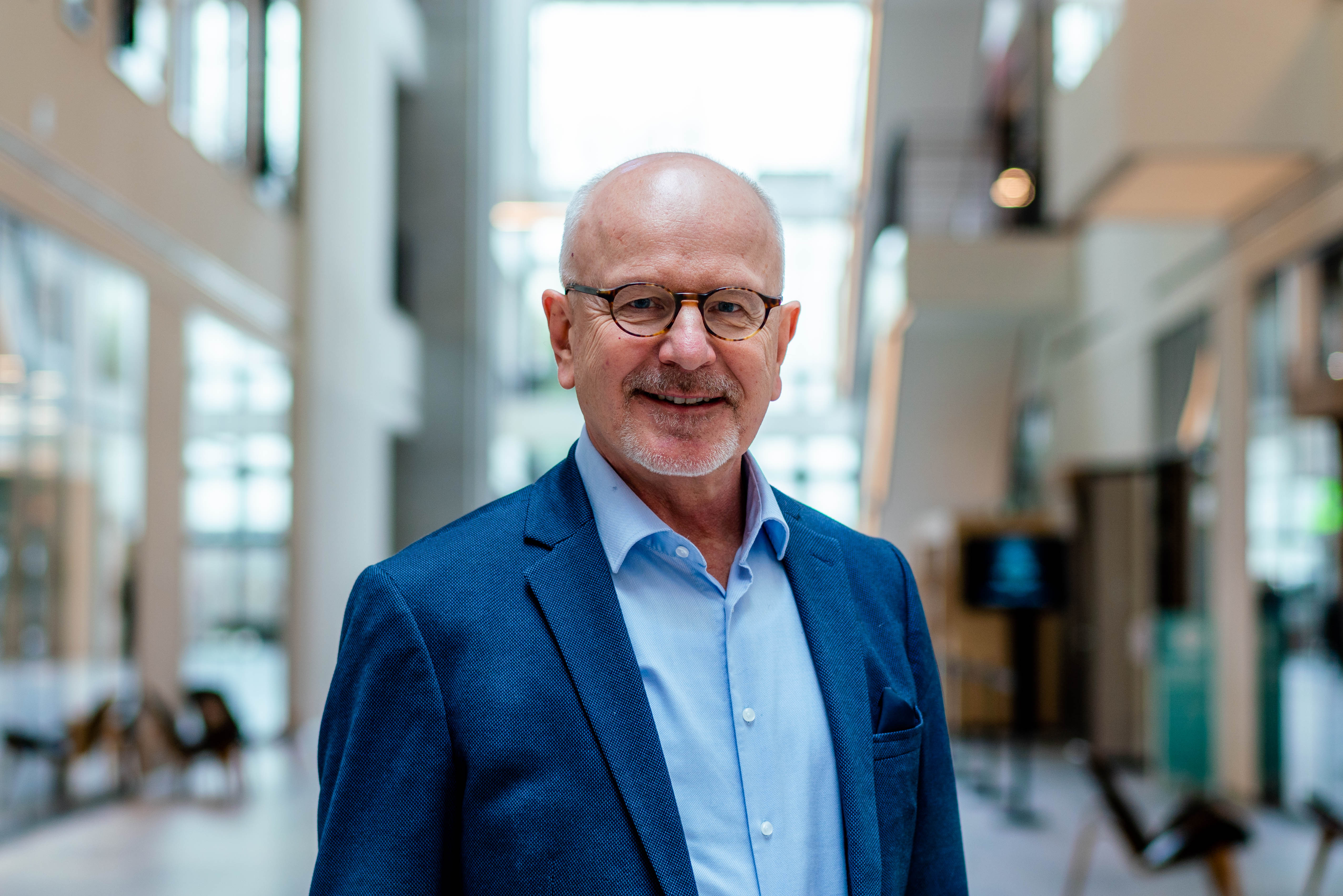
Prof. Dr. Ronald Gleich, Professor for Management Practice & Control, Academic Director at Centre for Performance Management & Controlling, Frankfurt School of Finance & Management
Many transformation initiatives fail not because of a lack of strategy, but because organisations struggle to translate ambition into execution. In this context, controlling plays a decisive role; not only by supporting transformation projects, but by transforming itself into a true performance partner for management.
In this interview, Prof. Dr. Ronald Gleich, shares insights on how controlling can actively shape transformation success, based on research evidence and hands‑on experience from digital transformation projects. The Interview will also cover the latest insights into transformation within the CFO function.
What are the most common pitfalls organisations face in transformation projects and where does controlling make the biggest difference?
According to our latest AI transformation study, many transformations fail due to the implementation gap – where high ambitions clash with a lack of scalability and insufficient resources for a successful transformation. Typical problems include poor data quality, legacy IT systems, and a lack of governance and expertise. Controlling can make a difference here through systematic monitoring of progress and implementation, clear management logic, and transparency regarding the progress of the transformation.
Based on your research, which success factors most clearly separate successful digital transformations from failed ones?
According to the findings of our study, successful transformations are characterised by the interplay of five factors: a clear strategy, robust implementation, appropriate technology, effective governance and a supportive culture. Consistent implementation (e.g. proof of concept, agile methodologies) and sufficient allocation of resources are particularly crucial. Management and the supporting controlling function should be aware of this in advance.
How should controlling adapt its tools and mind‑set to support management in fast‑moving, uncertain transformation environments?
In the context of digital transformation, controlling must place greater emphasis on integrated data platforms and standardised processes (‘standardise before automate’) and ensure that a clear strategic vision is in place. At the same time, the organisation needs a mindset that actively supports transformation – with a focus on scalability, value creation and data-driven decision-making.
What does it take for controlling to move from “performance tracking” to proactive value creation during transformation?
As our studies show, value is created when controlling plays an active role in shaping transformation: by prioritising initiatives based on value cases, supporting pilot projects, and ensuring effective governance and appropriate strategic objectives. It is crucial to make transformation measurable and to focus it specifically on delivering results.
Let’s take a look at the CFO function; there, too, the pressure to transform is currently intense. This also affects the controlling function itself. What are the reasons for this, and what is actually being done in practice?
As a recent study by the Frankfurt School in collaboration with the Institute of Management Accountants (IMA) shows, this pressure stems from a volatile environment and increasing demands for resilience, transparency and manageability. We are seeing many projects aimed at digitising and standardising financial processes, partly to address cost pressures. More than 80% of the companies we surveyed are currently engaged in such initiatives. Often, the introduction of a new ERP system also necessitates an adjustment to the CFO function (currently the case for 58% of the CFO functions we surveyed) or improvements to data management and data governance (52%). In many cases, the organisation of the CFO function is also undergoing a fundamental transformation (45%). These projects often overlap, and two or three transformation initiatives need to be managed in parallel.
What are the key factors to consider when it comes to transformations in the CFO function? Are they the same aspects as those mentioned in the answer to question 2?
In the case of CFO-led divisional transformations, the key drivers of success are systematic monitoring of progress, a clear governance structure for the transformation projects, and strong support from senior management. These factors create transparency and a sense of commitment, and enable the transformation to be managed consistently. This provides excellent support for the transformation objectives and helps to accelerate progress.
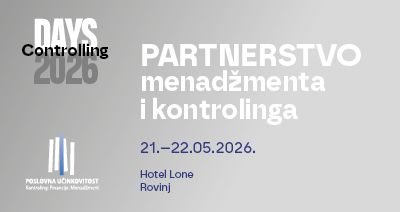
Više o temi na: CONTROLING DAYS: "Partnerstvo menadžmenta i kontrolinga", 22.05.2026.
Prof. Dr. Ronald Gleich has been Professor for Management Practice and Control and Academic Director Center for Performance Management & Controlling at the Frankfurt School of Finance and Management since August 2020. His research focuses on current and practically relevant issues of controlling, innovation management and performance measurement. He is the author of one of the leading controlling textbooks in the German-speaking world (Controlling, 14th edition, together with P. Horváth/M. Seiter at Vahlen-Verlag), co-editor of the Controlling-Berater (Haufe-Verlag) and co-director of the ICV-Ideenwerkstatt, the think tank of the international Controller Association. He also advises and controls leading German companies, especially in the manufacturing industry. After an apprenticeship as a banker and the study of technically-oriented business administration in Stuttgart, he also received his doctorate and habilitation at the University of Stuttgart. After a deputy professorship at the University of Hohenheim, Mr. Gleich was Professor of Industrial Management at EBS University from 2003 to July 2020, where he also held various management positions. Mr. Gleich was also a partner in the management consultancy Horváth & Partners from 2001-2005 and managing partner and shareholder of the Horváth Academy from 2012-2018.
Novosti