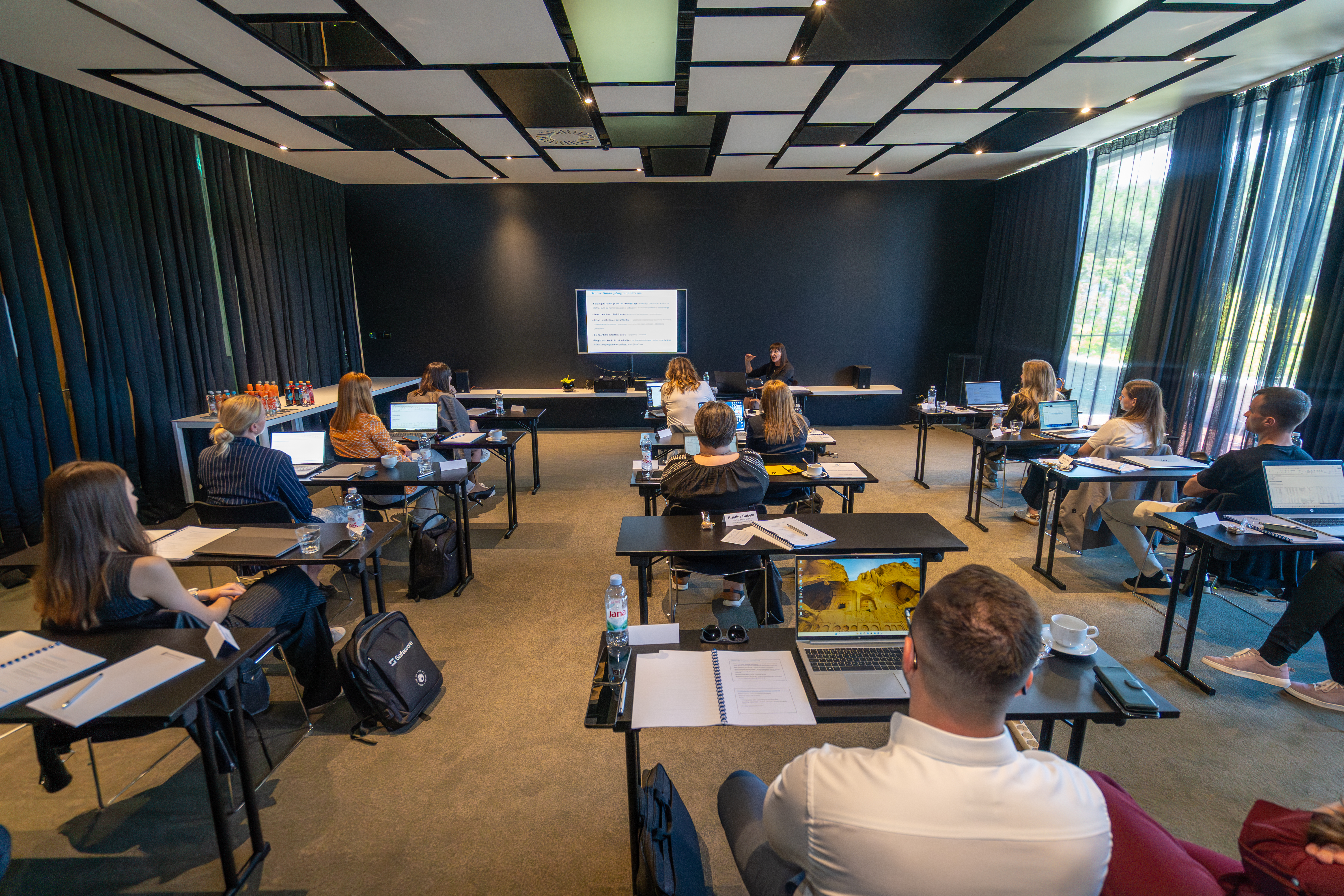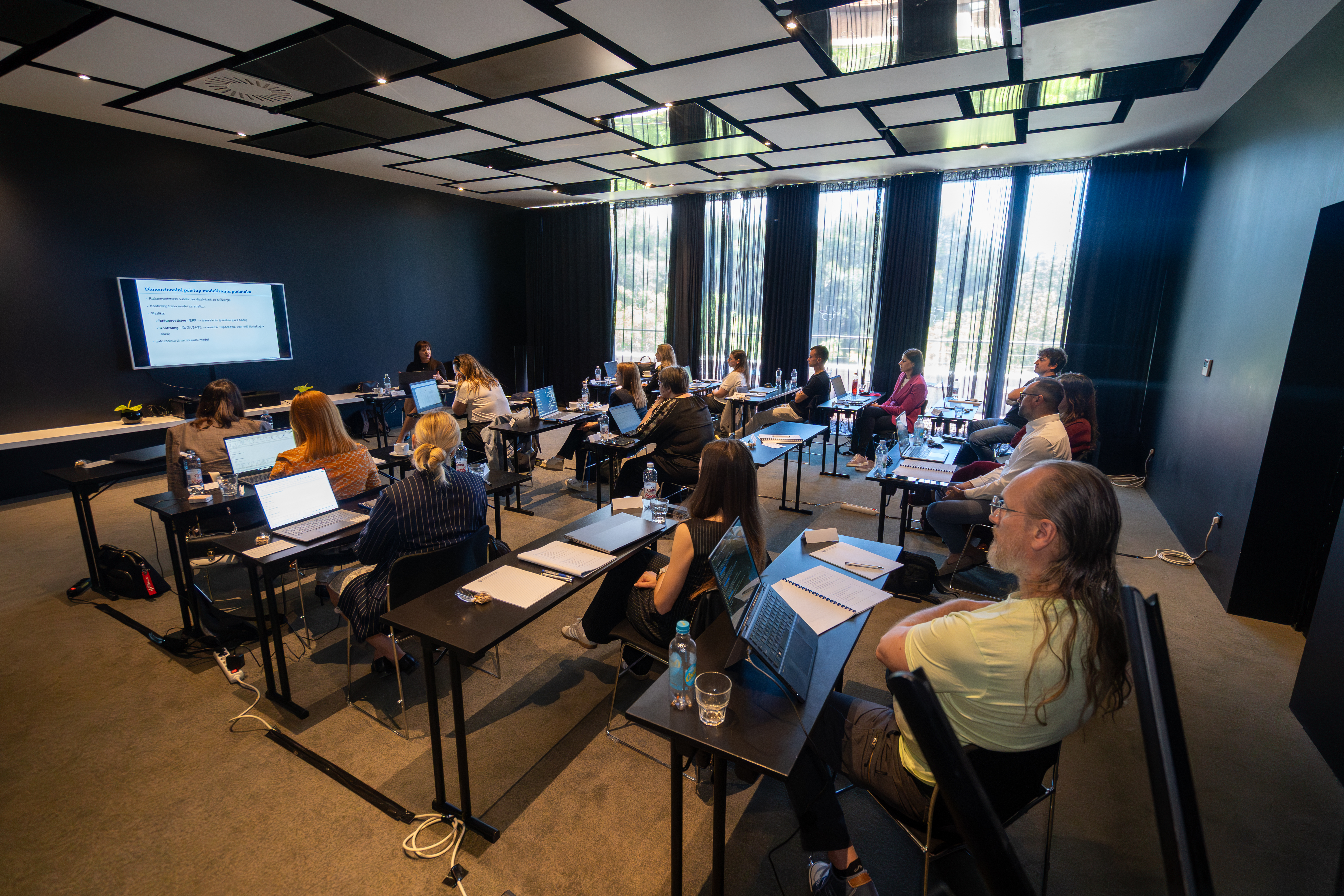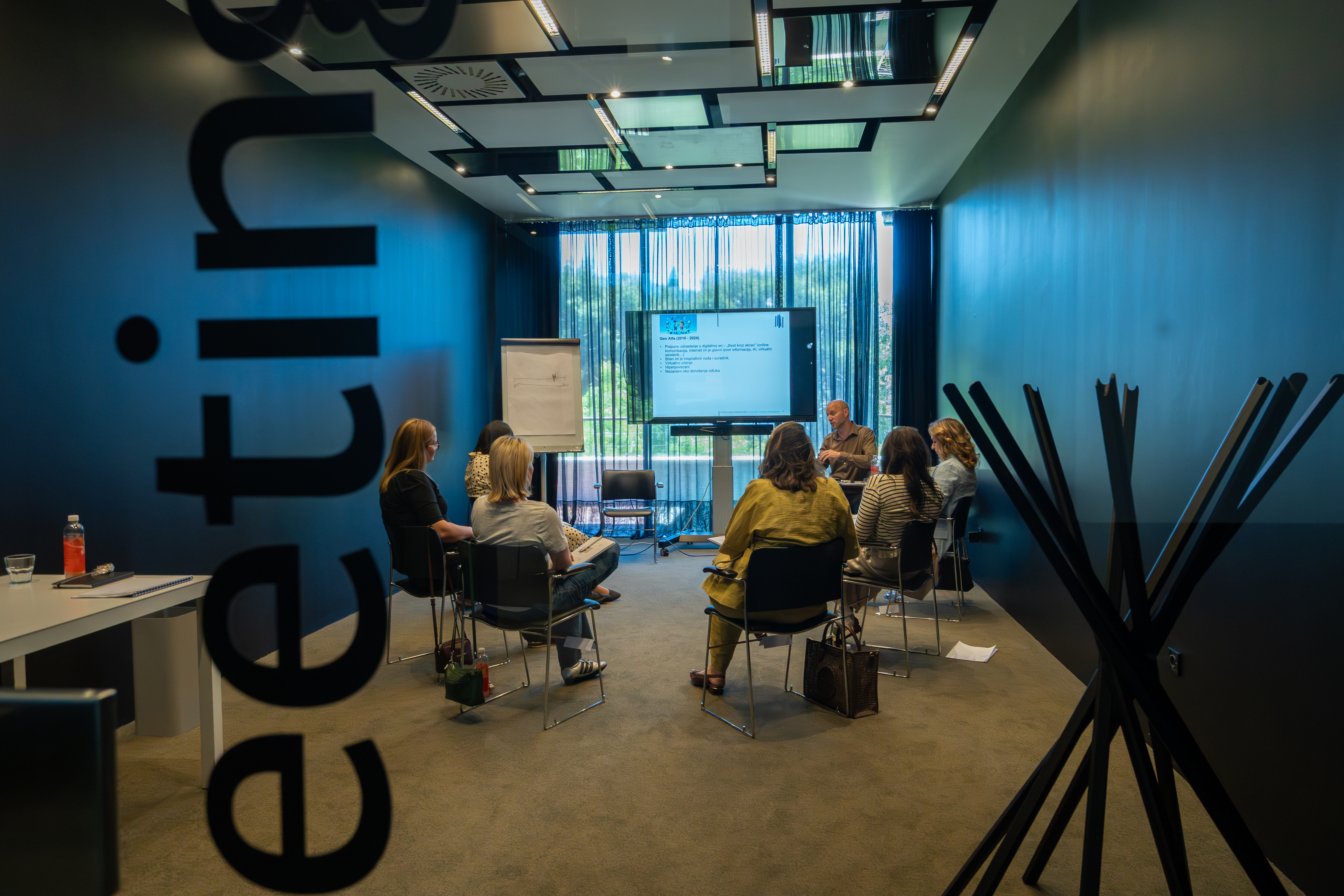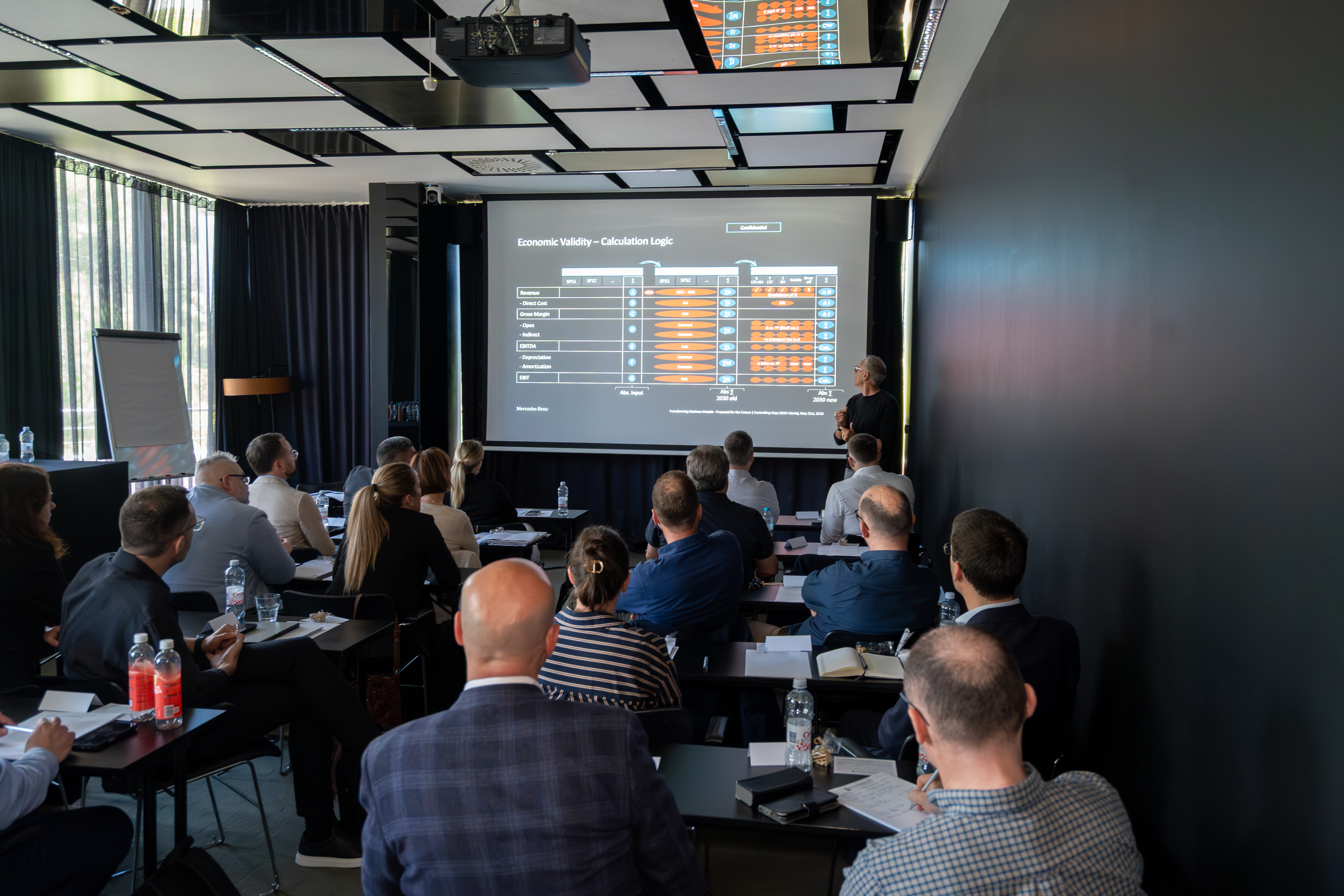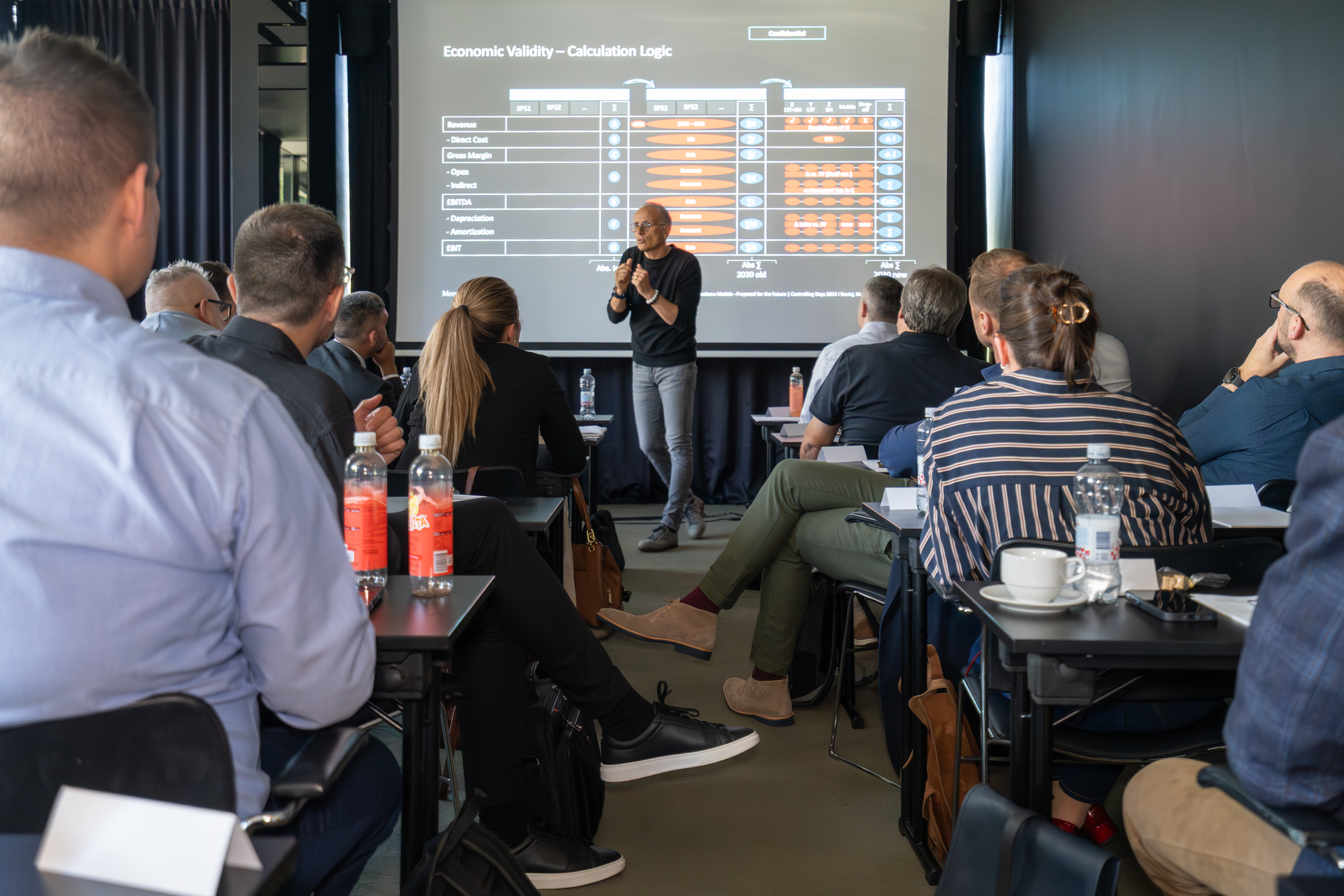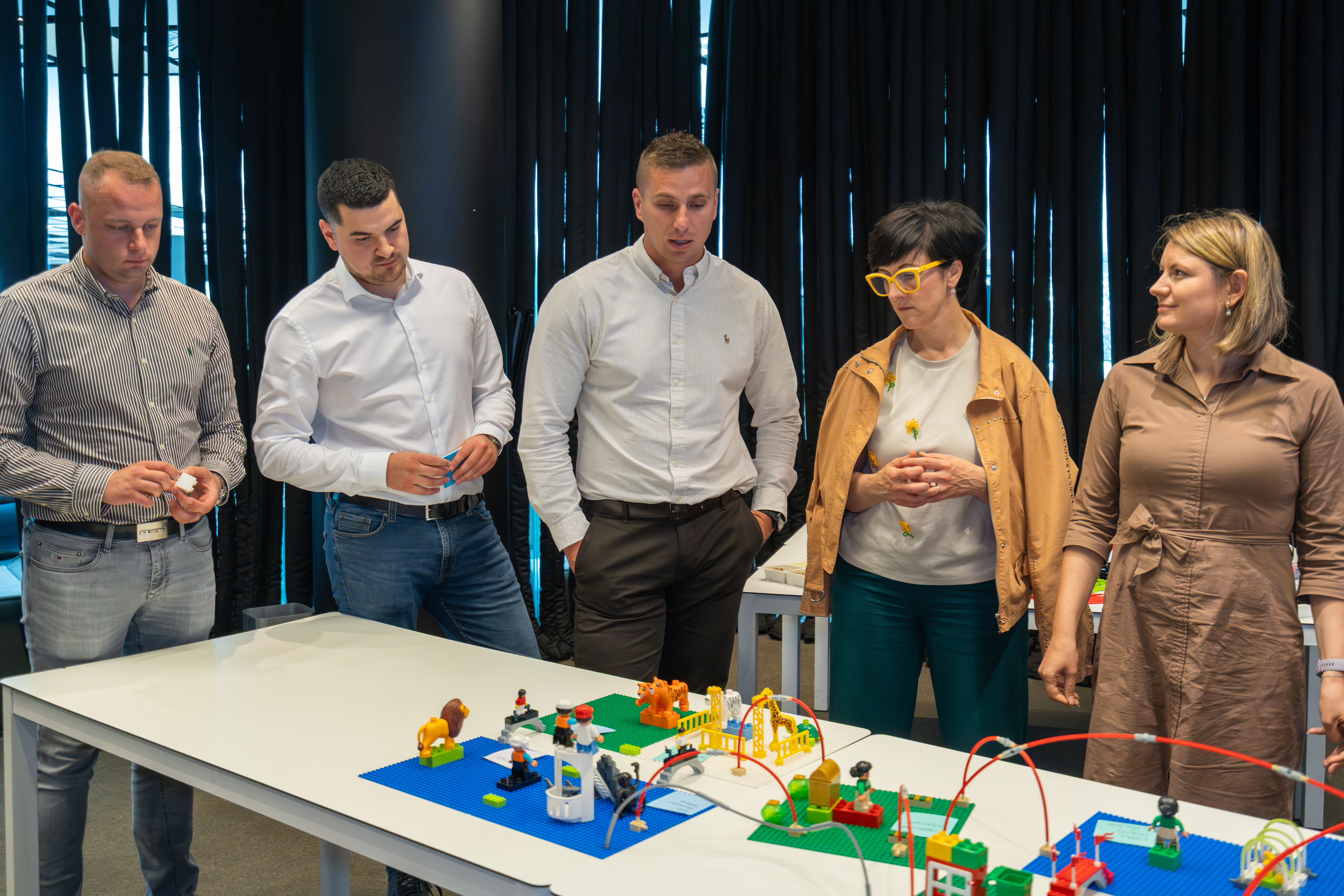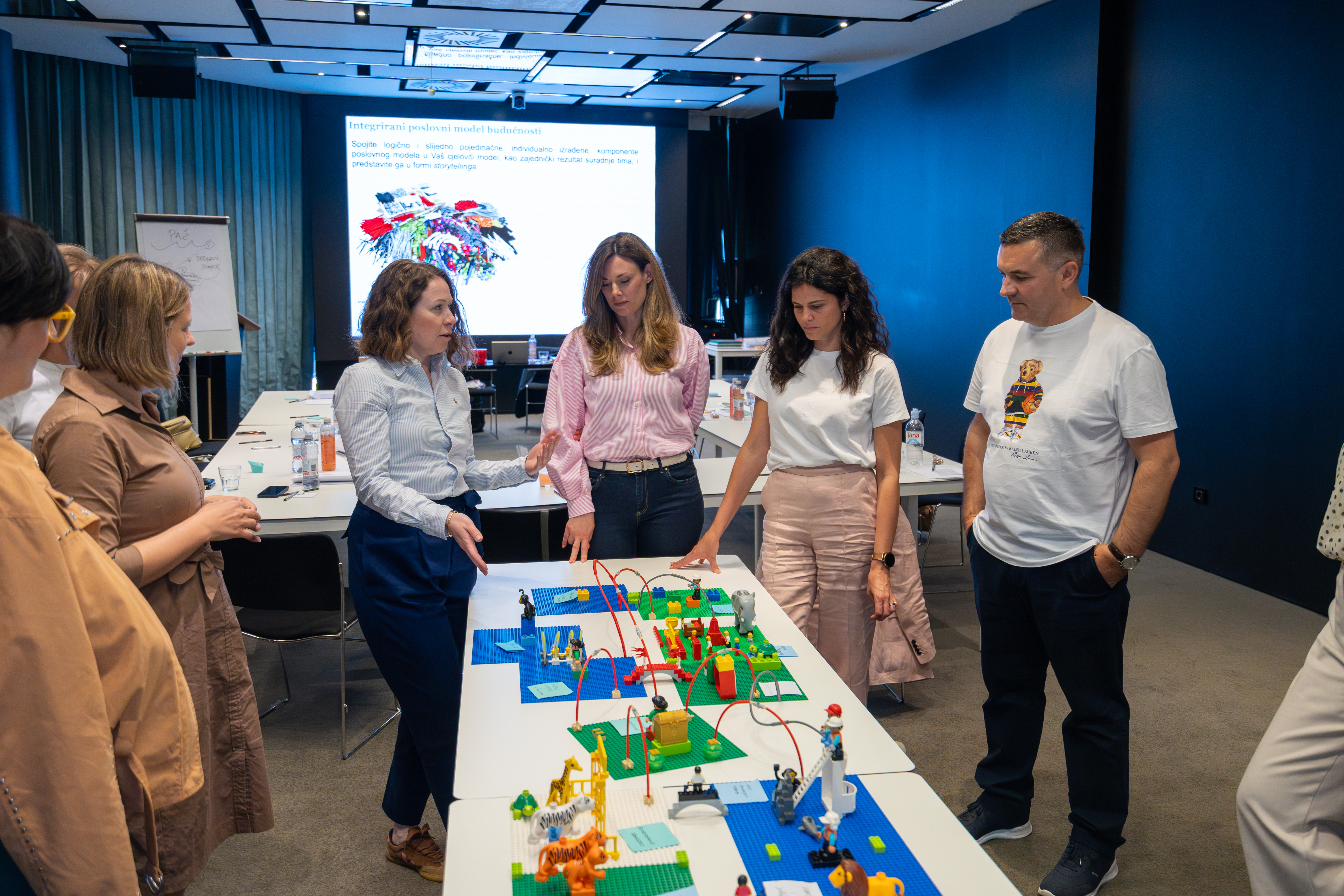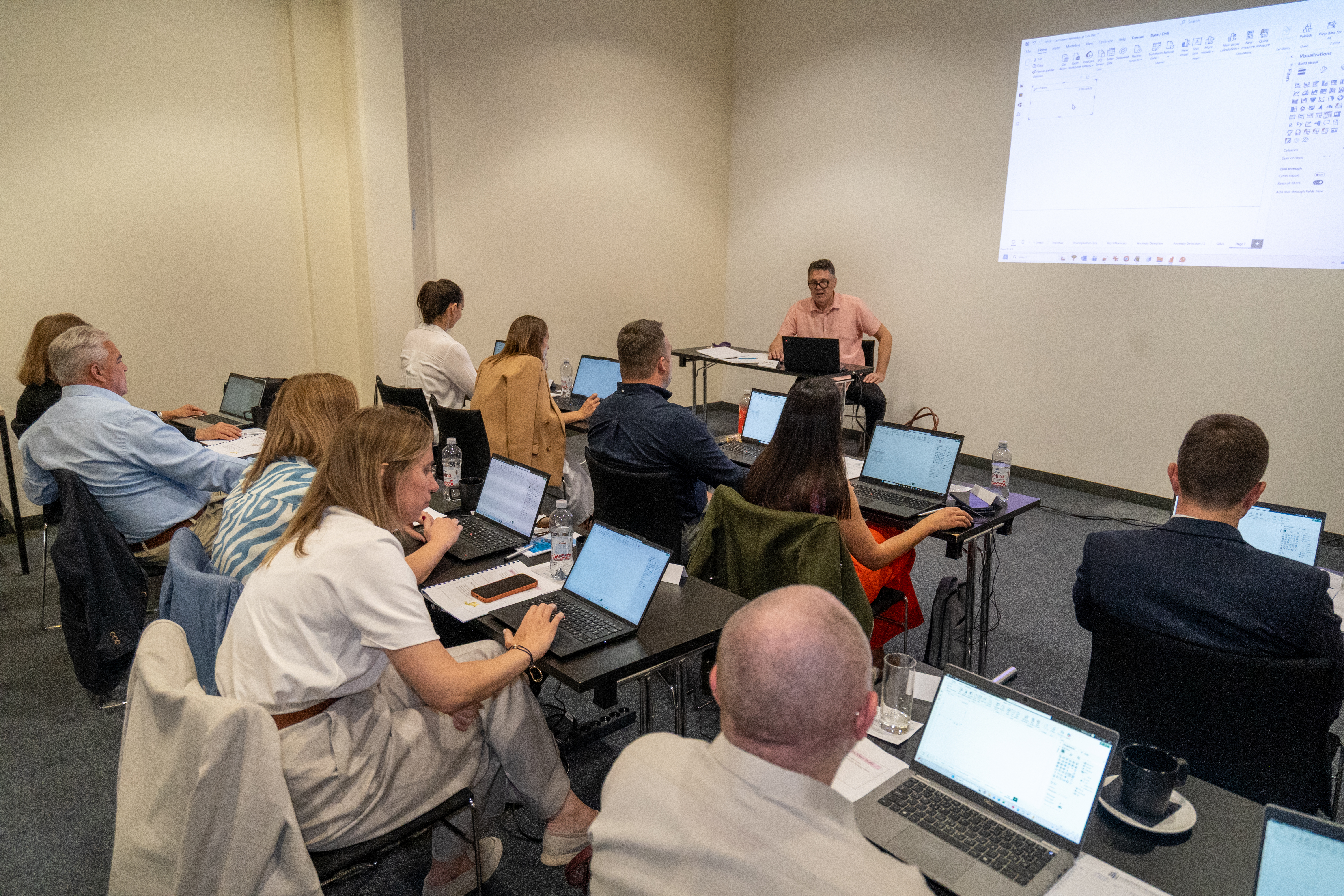

CONTROLLING DAYS 2026, 21.-22.06.2026., Hotel Lone Rovinj
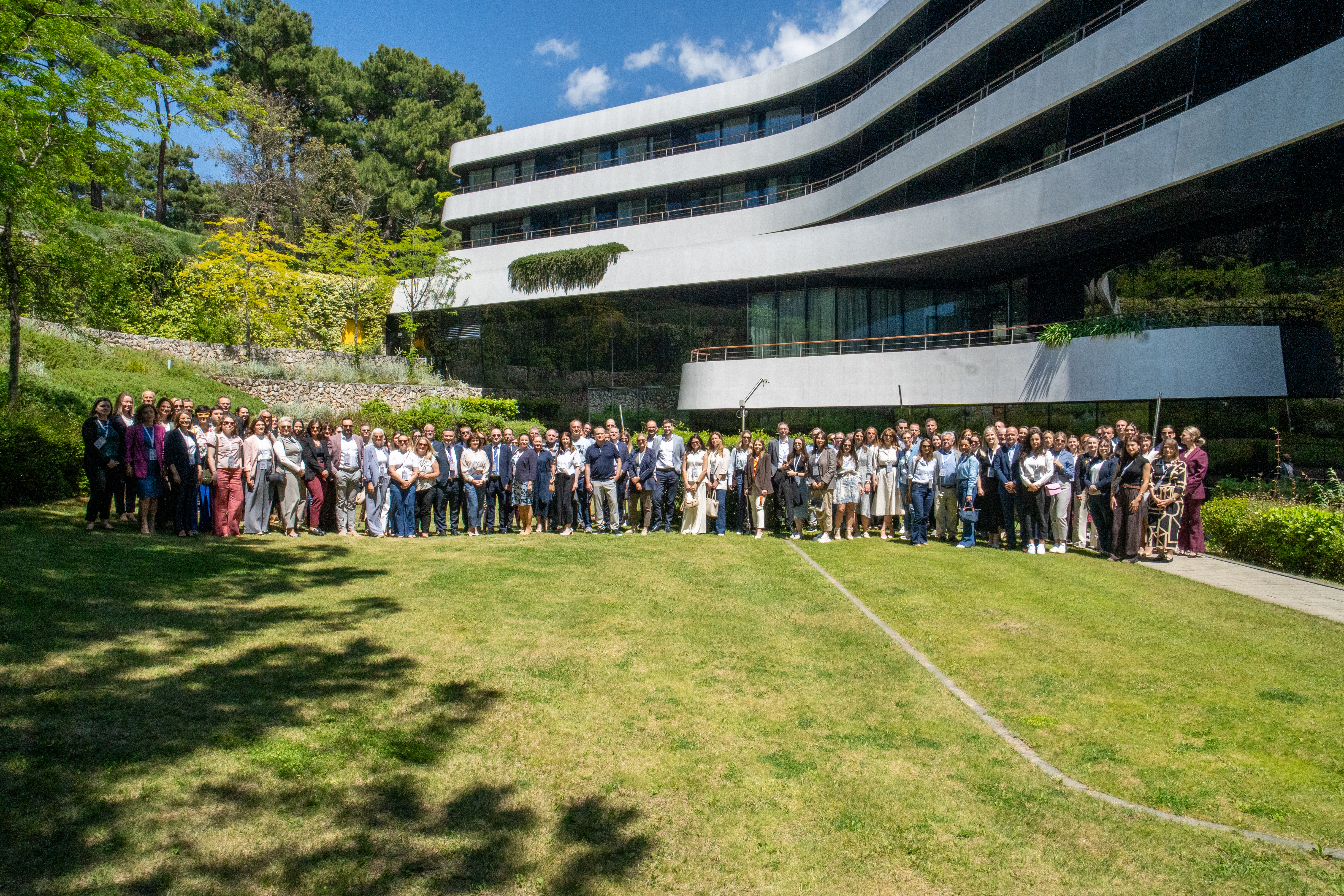
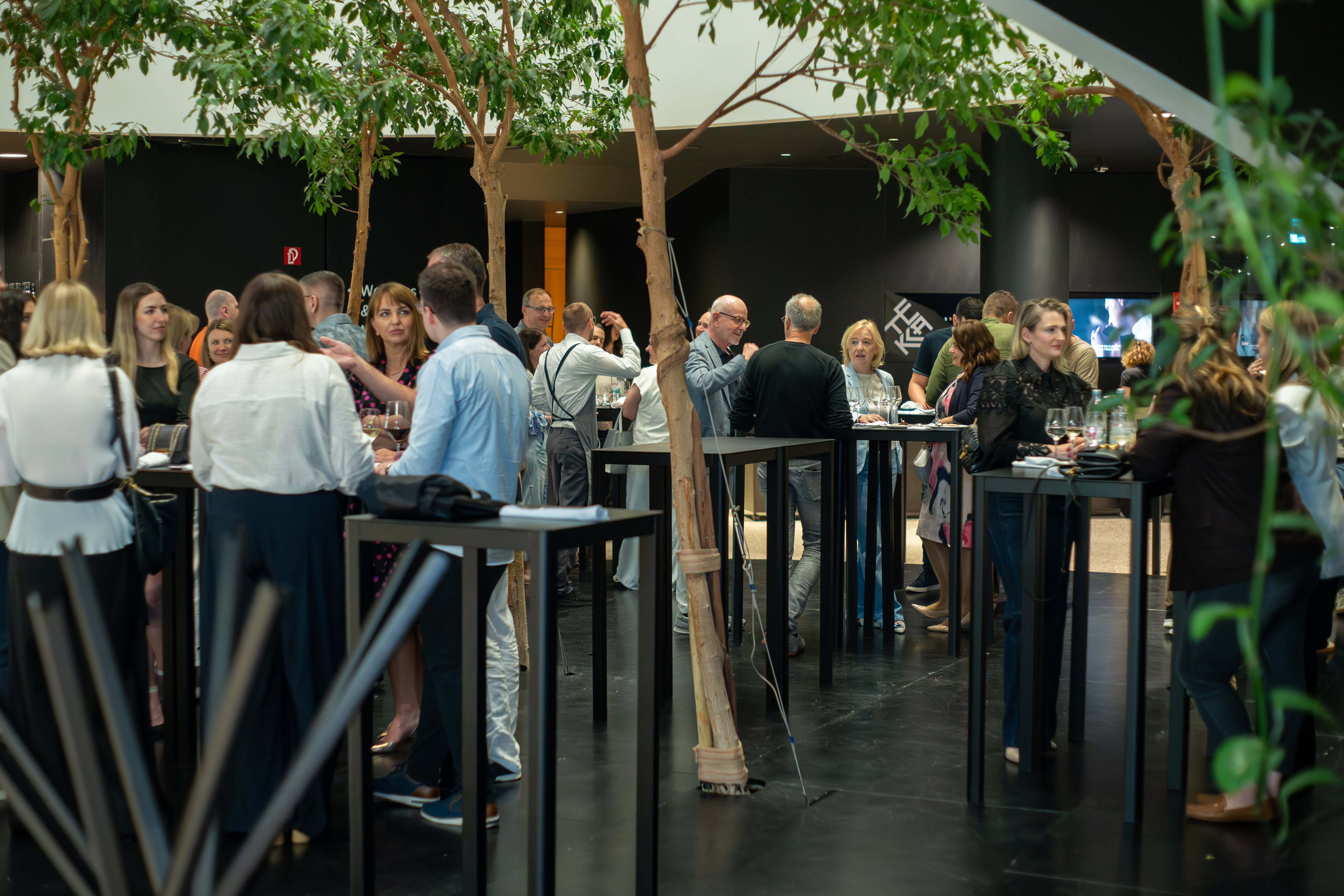
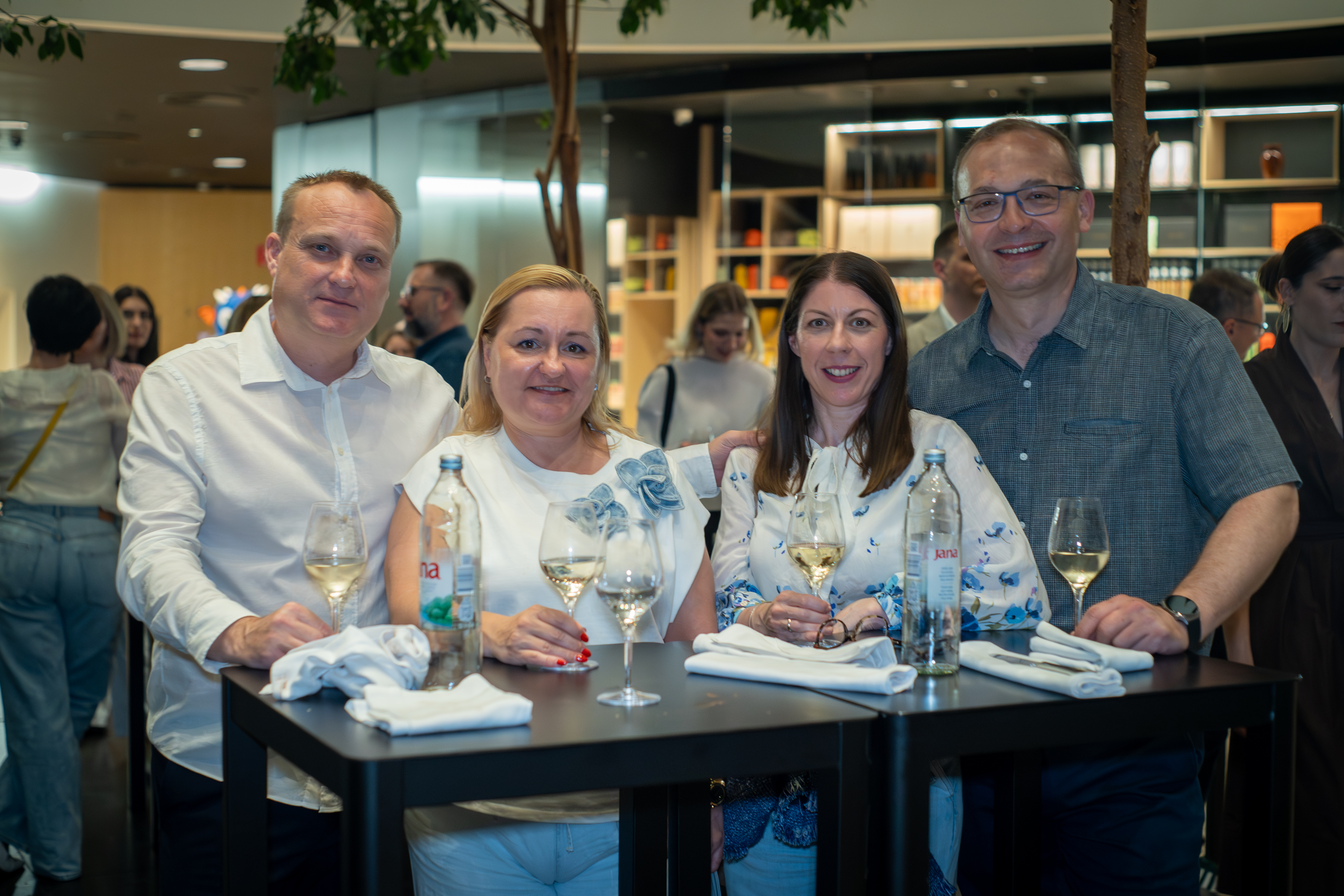
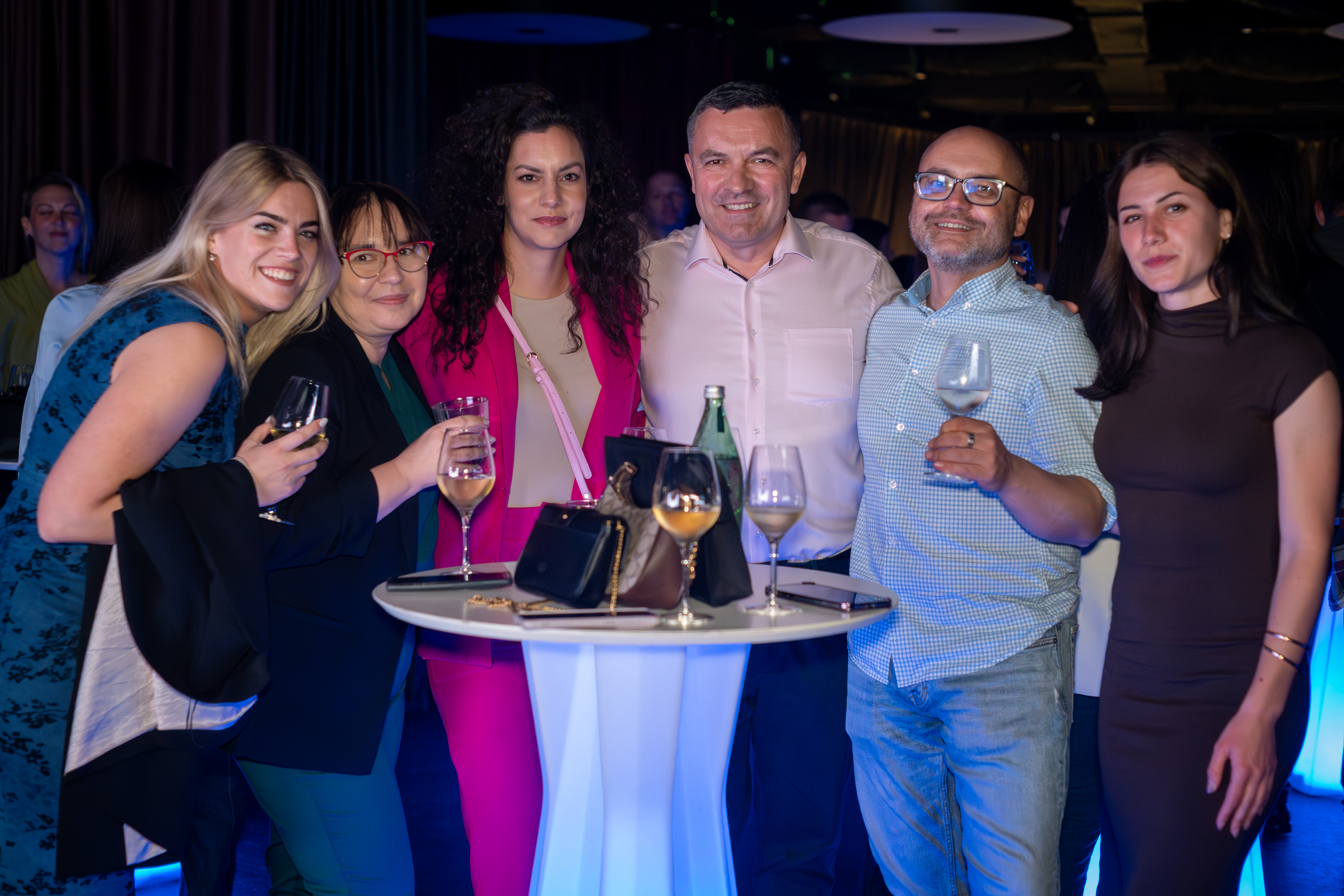
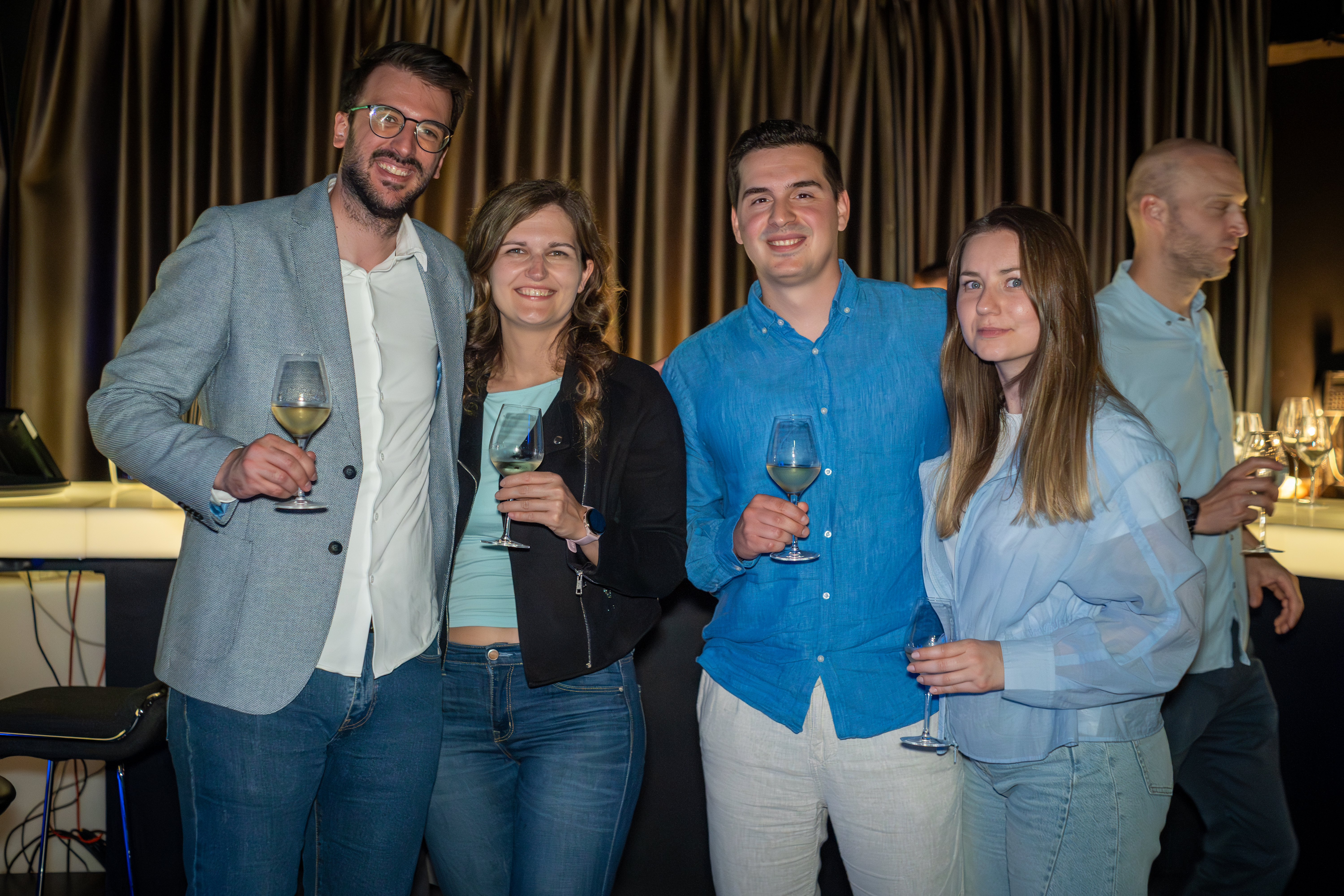
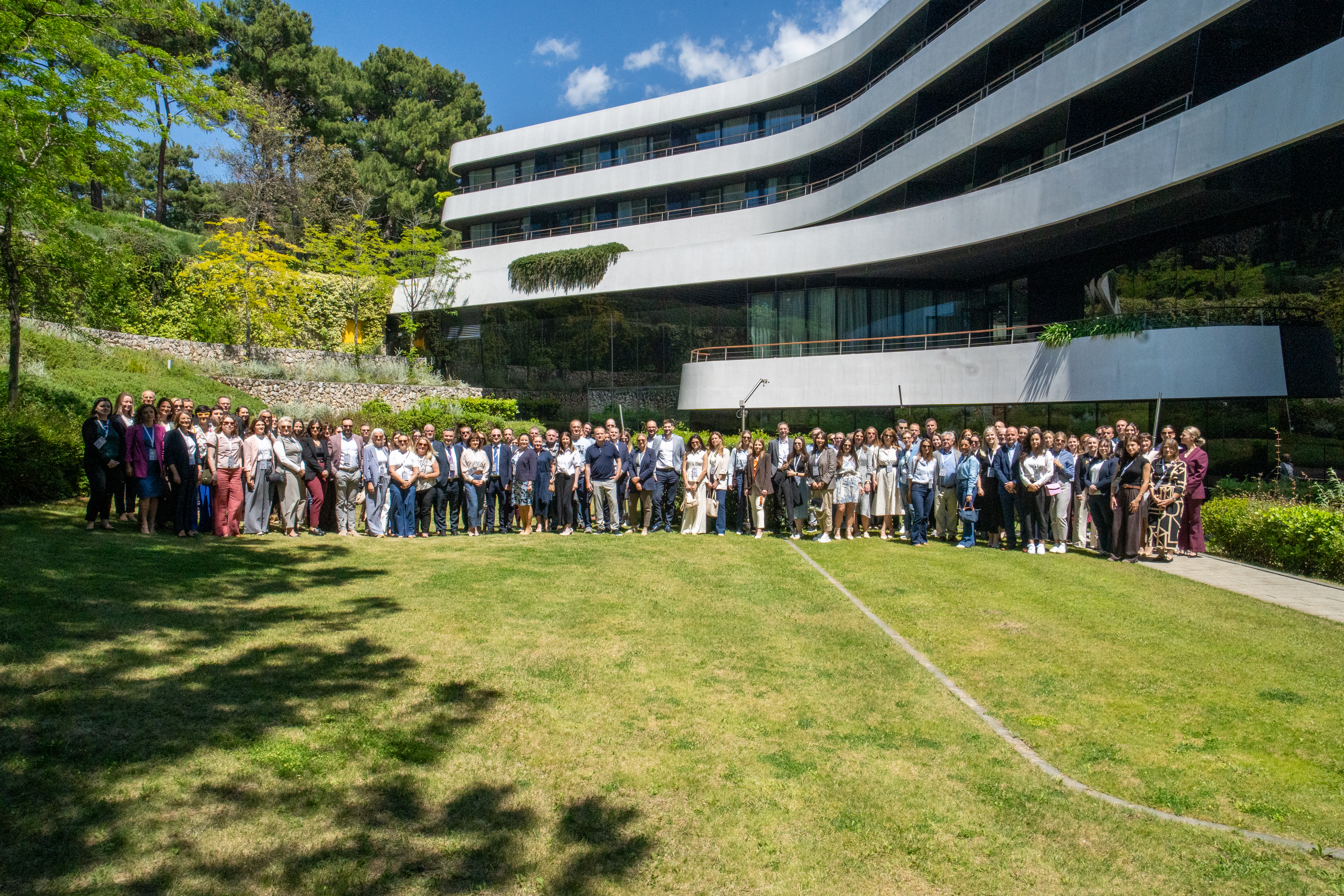
U Rovinju su 21. i 22. svibnja 2026. godine održani su CONTROLLING DAYS 2026.
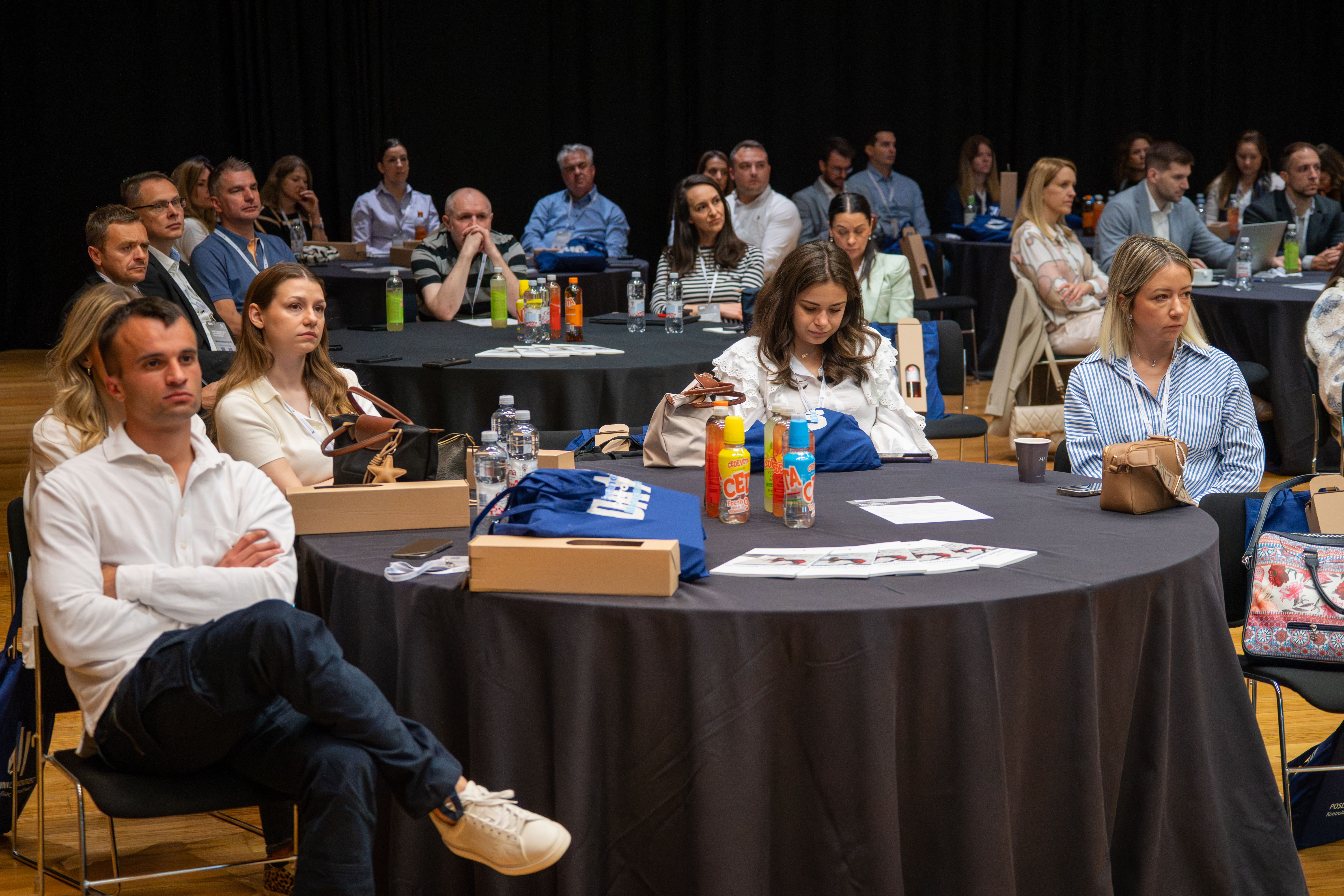
CONTROLLING DAYS 2026 više je od konferencije: to je događaj koji kroz dva dana radionica, razmjene iskustava i najboljih praksi stvara platformu za povezivanje s vrhunskim stručnjacima iz najvećih domaćih i međunarodnih kompanija.
Ove godine fokus je bio na partnerstvo menadžmenta i kontrolinga – pristup koji organizacijama omogućuje bolje razumijevanje financijskih i operativnih podataka, podržava donošenje strateških odluka i jača međufunkcionalnu suradnju. Saznali smo kako kontroling može postati pouzdan saveznik menadžmenta i ključni pokretač uspješnog poslovanja.
Predavanja su držali vrhunski stručnjaci iz Hrvatske i inozemstva:
Partnerski odnos menadžmenta i kontrolinga: povjerenje, perspektiva i podrška u donošenju odluka
Mr. sc. Hrvoje Patajac, Direktor kontrolinga, Adris Grupa
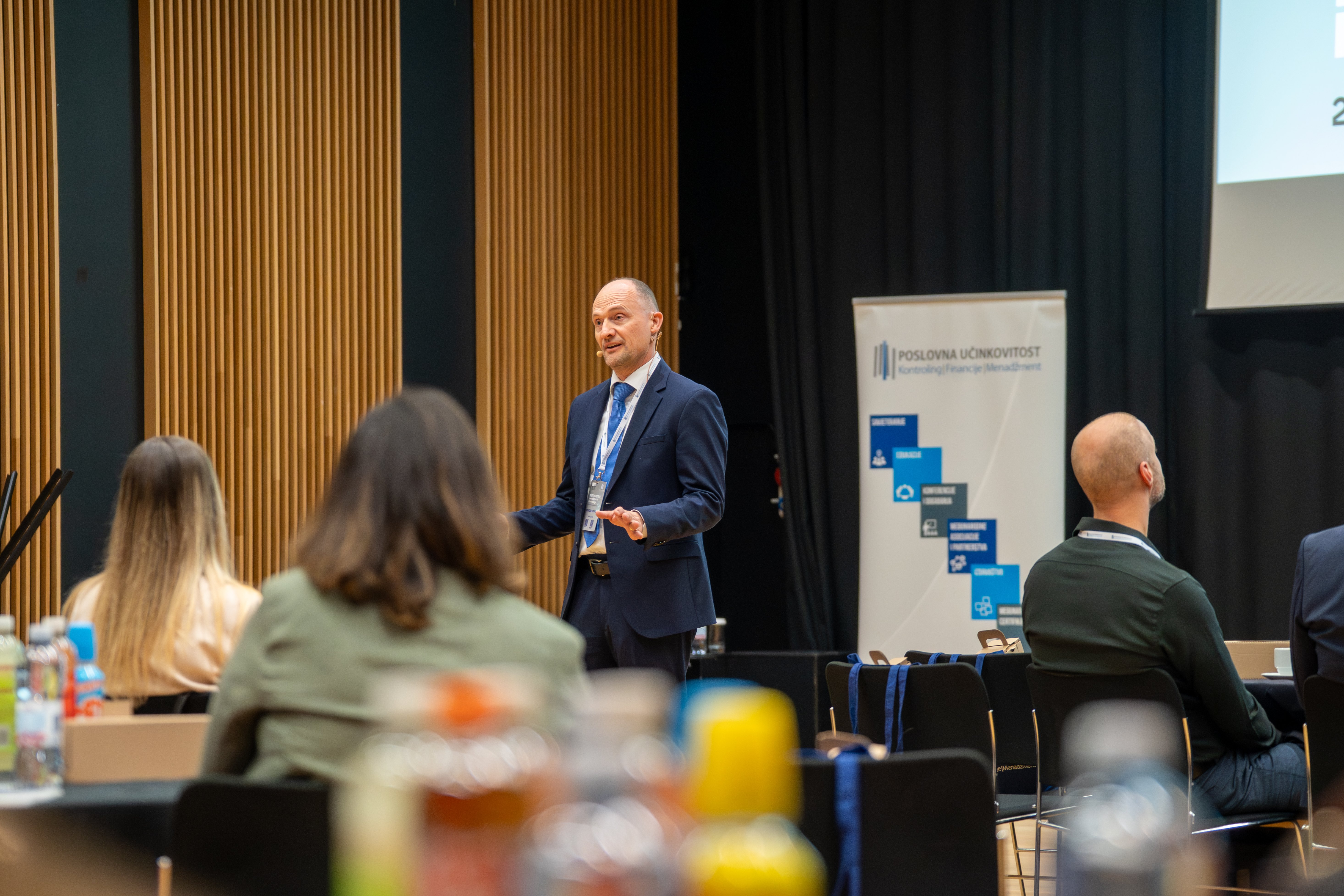
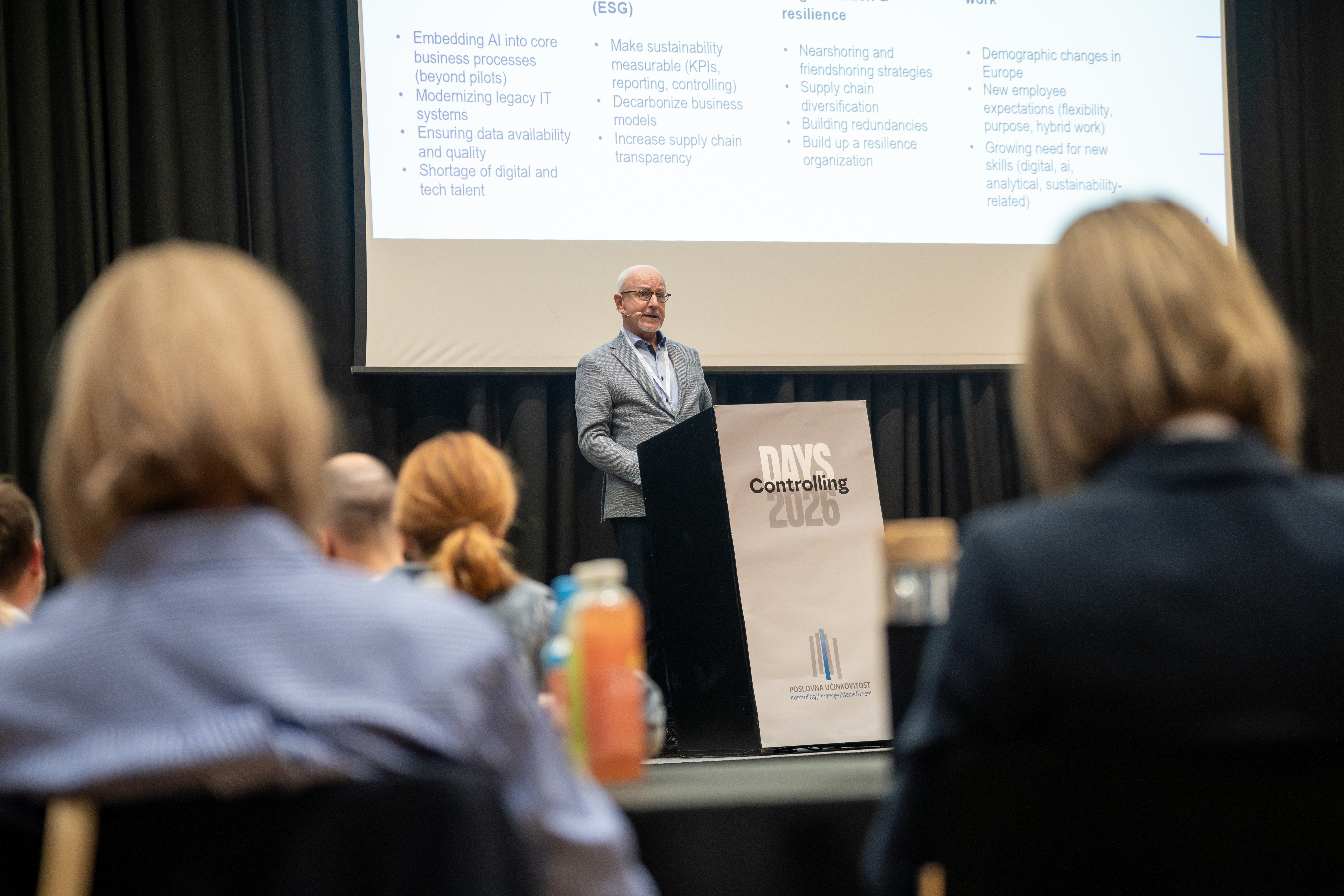
How controlling successfully supports management in transformation projects
Prof. Dr. Ronald Gleich, Professor for Management Practice & Control, Academic Director at Centre for Performance Management & Controlling, Frankfurt School of Finance & Management
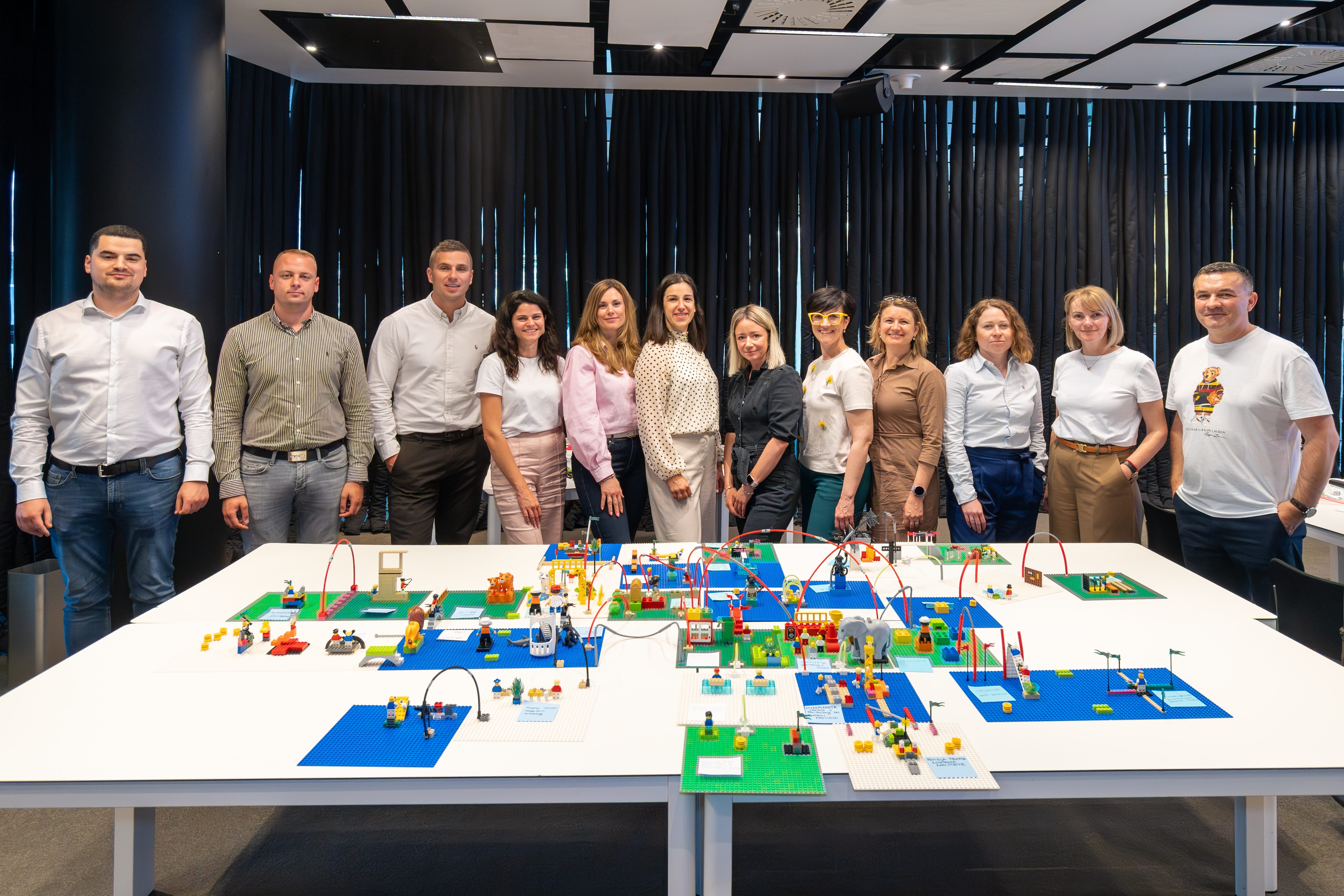
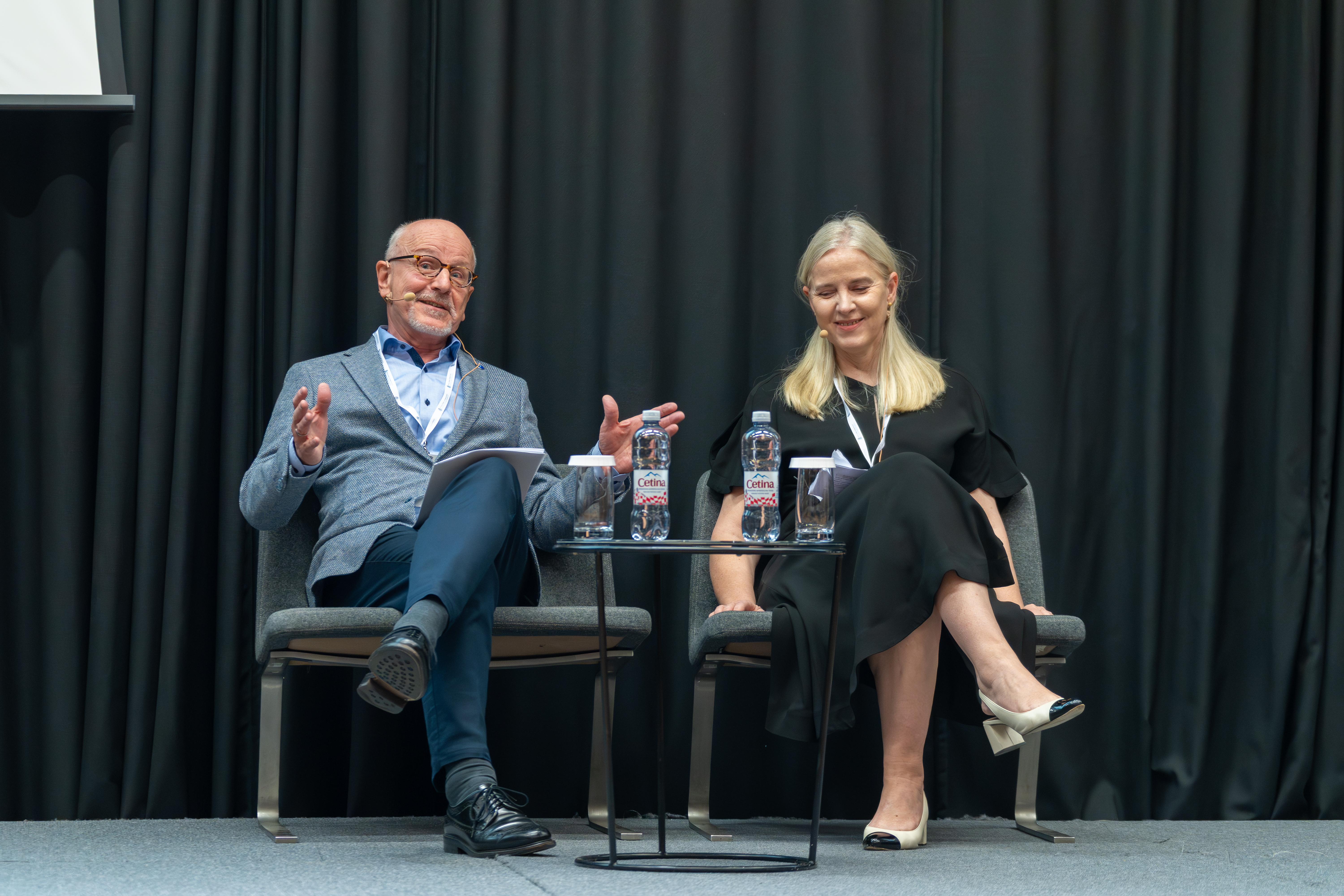
CASE STUDY: What barriers hinder transformation in the daily work?
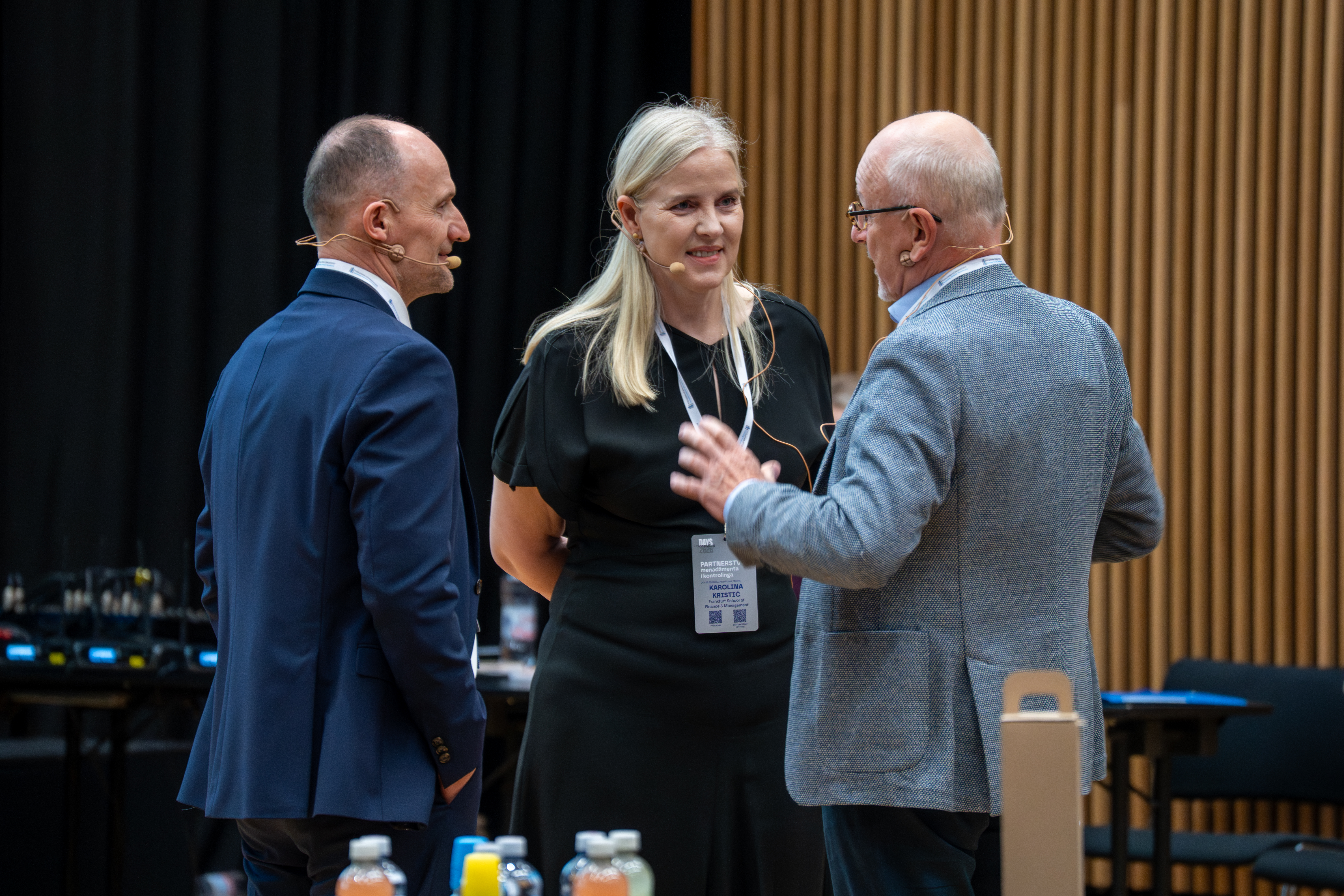
Prof. Dr. Ronald Gleich, Professor for Management Practice & Control, Frankfurt School of Finance & Management & Karolina Kristić, Chancellor/CFO, Frankfurt School of Finance & Management
How to Create a Future Perspective – Use Case
Dr. Damir Kralj, Mercedes-Benz AG
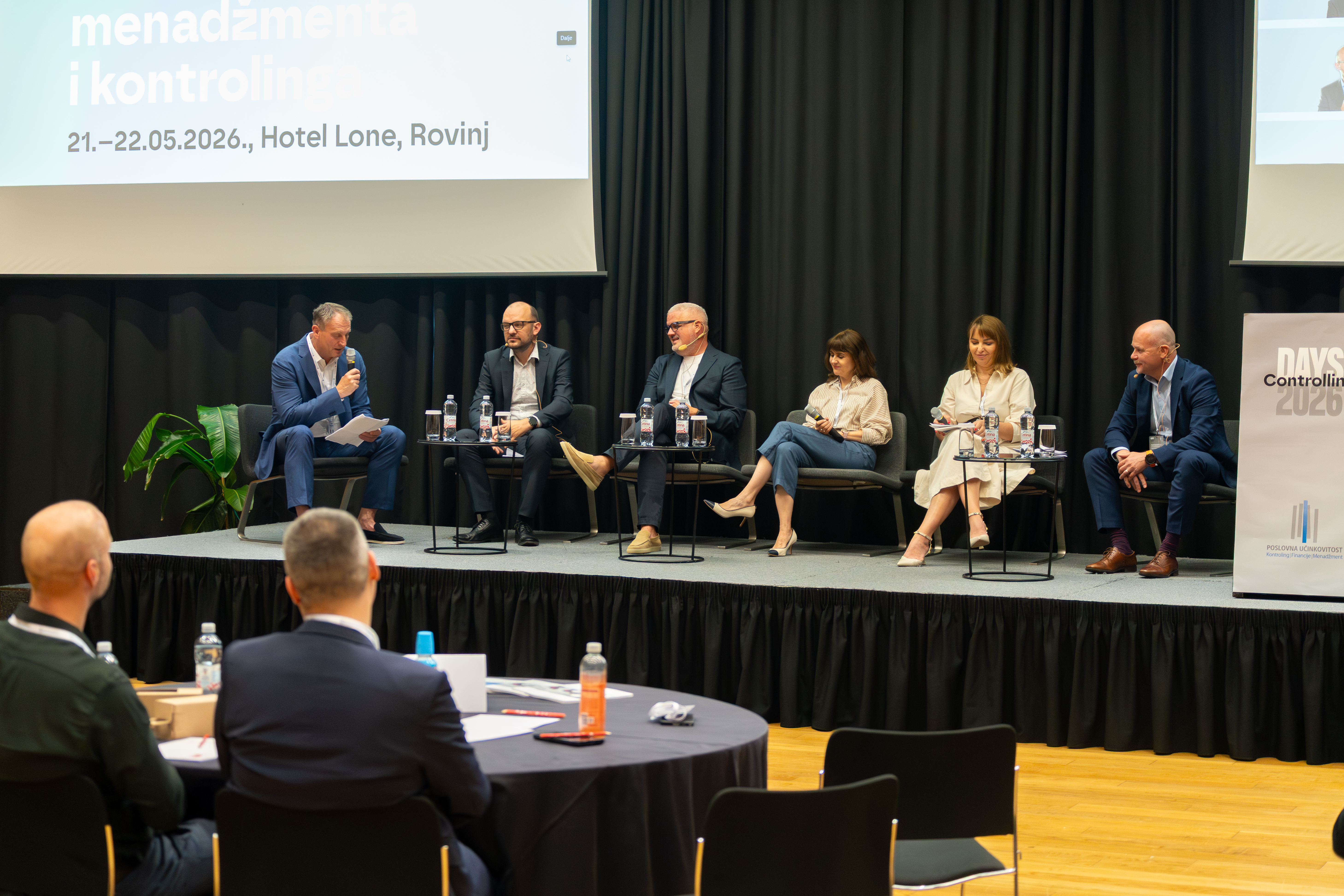
Panel diskusija: Očekivanja menadžmenta od kontrolinga
Moderator: Zoran Stanković, Potpredsjednik Grupe za financije, nabavu i IT, Atlantic Grupa
- Marko Pokrajac, Član Uprave, Maistra Hospitality Group
- Anton Barbir, Član Uprave, ENNA grupa
- Nikolina Dizdar Čehulić, Predsjednica Uprave, PLIVA Hrvatska
- Manuela Ilić, Menadžerica poslovne funkcije, Hrvatska pošta
- Slaven Dobrić, Predsjednik Uprave, UNIQA osiguranje
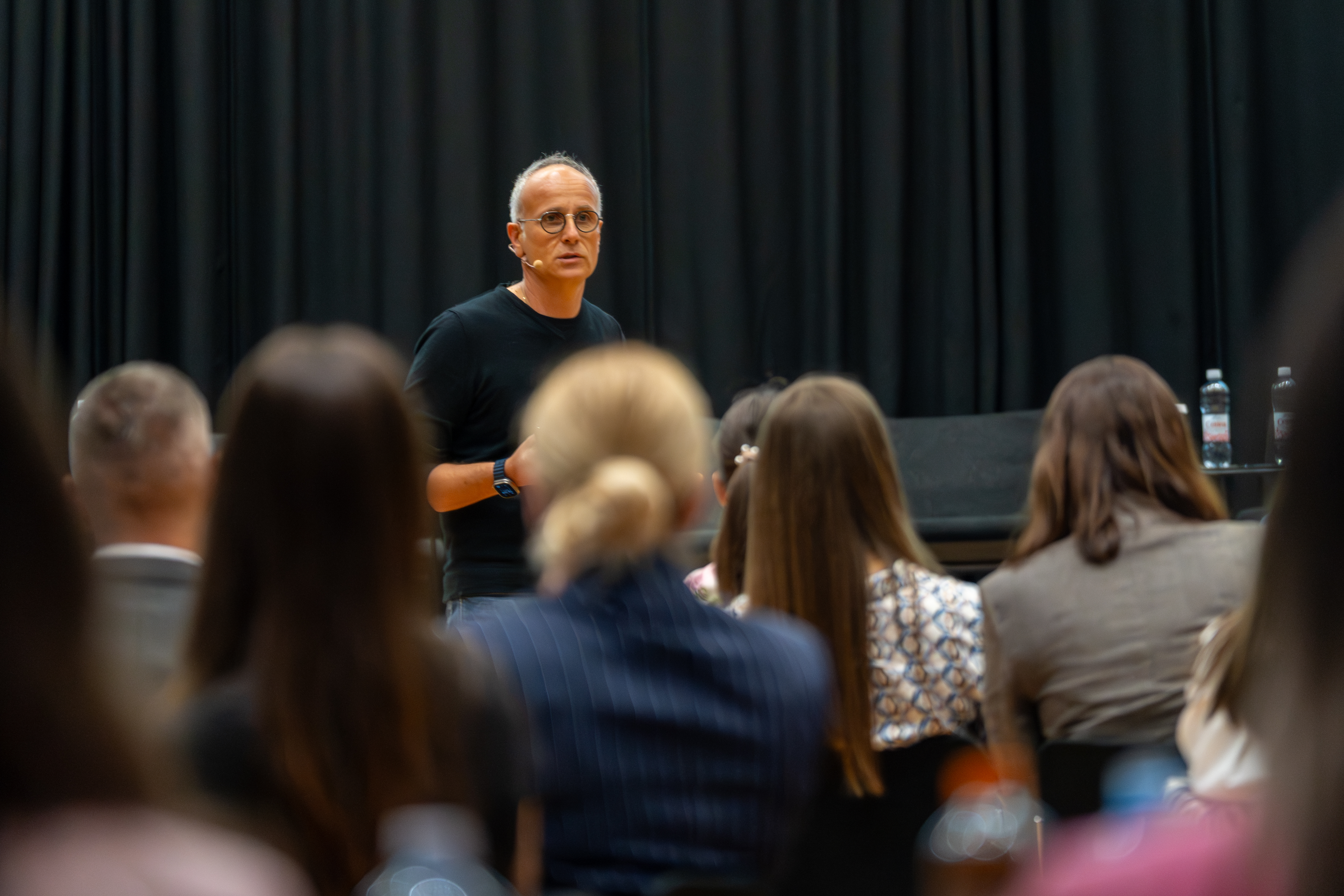
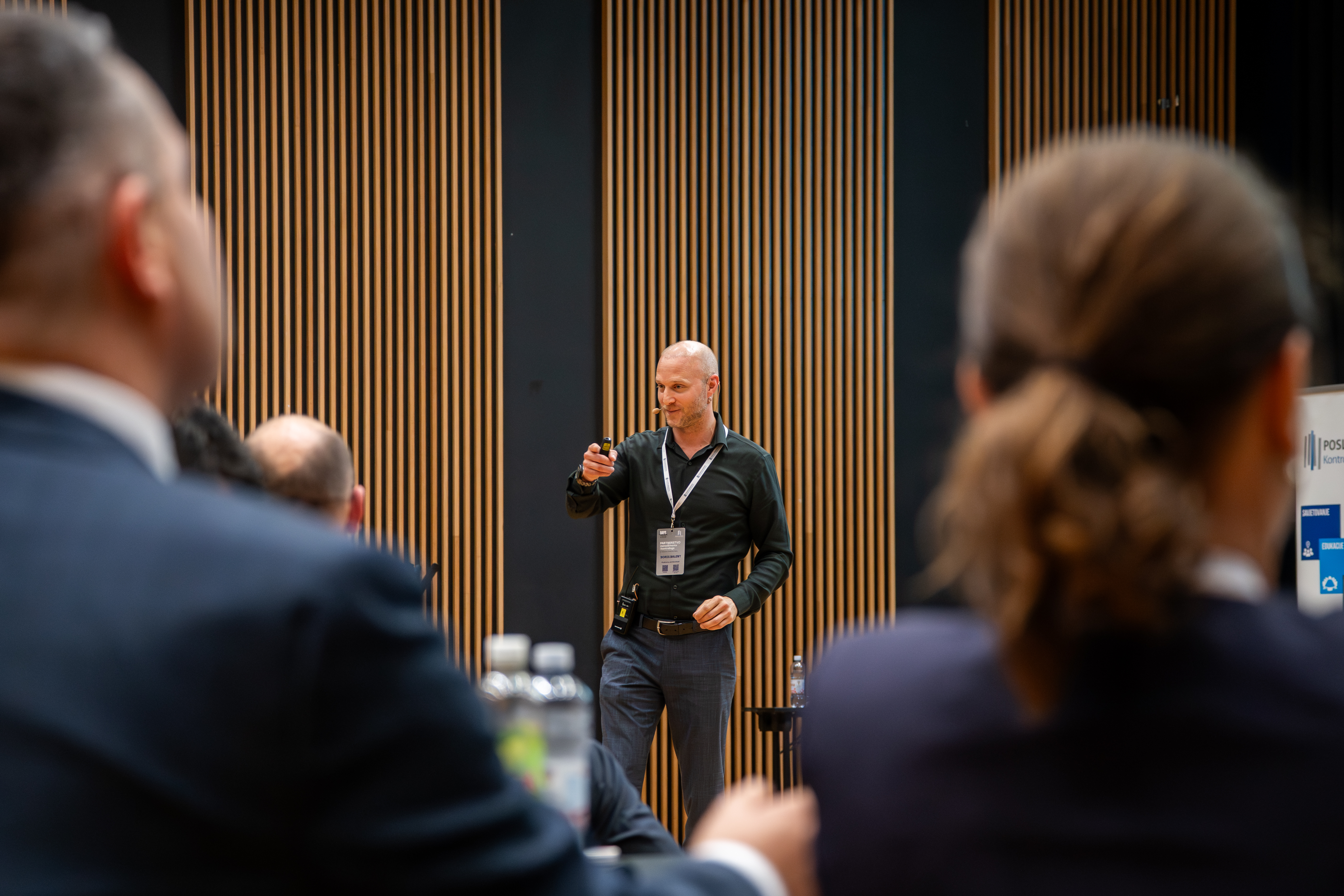
Profil kontrolera – sadašnje i buduće kompetencije
Dr. sc. Boris Balent, Edukacijski trener, Poslovna učinkovitost
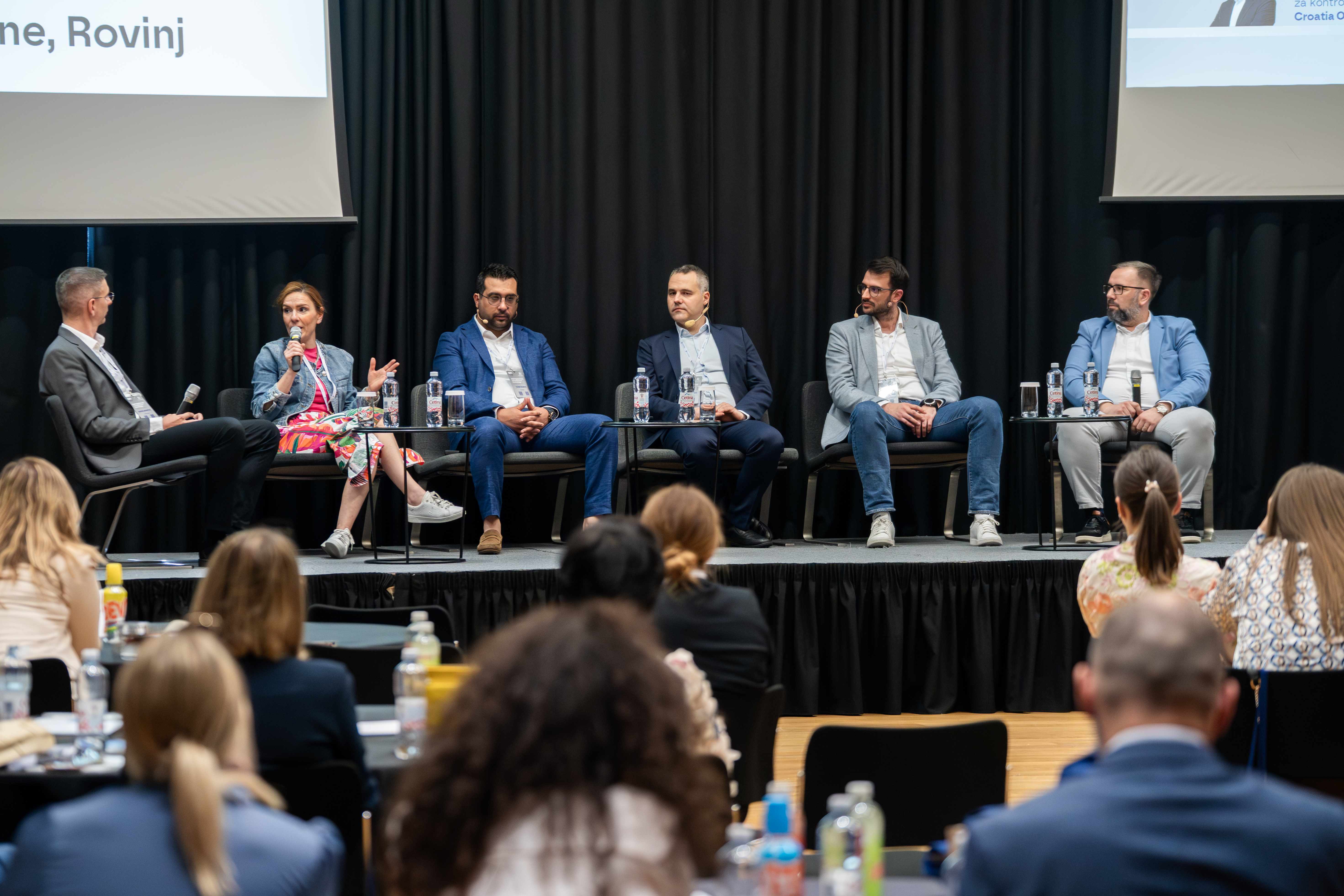
Panel diskusija: Očekivanja kontrolinga od menadžmenta
Moderator: Boris Borčić, Direktor kontrolinga, INA Grupa
- Ivan Šabić, Zamjenik glavnog izvršnog direktora, CARNET
- Ida Zelenka Puđa, Director of Business Performance management Sector, Hrvatski Telekom
- Igor Dobrić, Direktor Sektora za kontroling, Croatia Osiguranje
- Viktor Hajnal, Direktor kontrolinga, MLINAR pekarska industrija
- Marko Vuković, Izvršni direktor za financije, Jadrolinija
Zahvaljujemo našim sponzorima koji su nas pratili na Controlling days 2026:
.png)

Dr. Damir Kralj is an executive and entrepreneur with more than two decades of international leadership experience across consulting, global automotive corporations, and entrepreneurial ventures. Educated in electrical and industrial engineering, he earned his PhD in Controlling at the University of Stuttgart under Prof. Péter Horváth, one of Europe’s foremost authorities in performance management. Dr. Kralj began his career at Horváth & Partners, advising global corporations on value creation and performance systems, before moving into leadership roles within the automotive industry. At Mercedes-AMG, he built and led the Performance Studio, playing a key role in shaping iconic product models. Since 2013, he has held multiple leadership positions at Mercedes-Benz AG, with international end to end-responsibility across sales, market management, pricing, and electric vehicle services. In 2025, he founded with family members and friends the family owned Solarzone Group, focusing on scientific development of energy-efficient systems and the the technical use of solar energy, with a strong focus on delivering economically viable solutions. Alongside his executive career, Dr. Kralj has been engaged for many years in executive education at leading European institutions.

Mr. sc. Hrvoje Patajac je direktor kontrolinga Adris grupe. Glavni zadatak mu je implementacija kontrolinga na razini grupe te podrška taktičkom i strateškom odlučivanju. U Adrisov tim došao je 2003., a prije toga radio je u Nexe Grupi i zagrebačkoj Farmaciji na poslovima voditelja kontrolinga. Prvo radno iskustvo vezano mu je za IT sektor i tvrtku MIPS gdje je radio na brojnim razvojnim projektima. Član je nadzornog odbora u nekoliko tvrtki: Adris grupa d.d. Rovinj, Cromaris d.d. Zadar, Maistra d.d. Rovinj, Croatia osiguranje d.d. Zagreb. Diplomirao je 1995. na Fakultetu elektrotehnike i računarstva. Završio je studij poslovnog upravljanja Diploma Study in Management na istom fakultetu. Magistrirao je 2002. na Ekonomskom fakultetu u Zagrebu na smjeru ”Financije poduzeća”.
Prof. Dr. Ronald Gleich has been Professor for Management Practice and Control and Academic Director Center for Performance Management & Controlling at the Frankfurt School of Finance and Management since August 2020. His research focuses on current and practically relevant issues of controlling, innovation management and performance measurement. He is the author of one of the leading controlling textbooks in the German-speaking world (Controlling, 14th edition, together with P. Horváth/M. Seiter at Vahlen-Verlag), co-editor of the Controlling-Berater (Haufe-Verlag) and co-director of the ICV-Ideenwerkstatt, the think tank of the international Controller Association. He also advises and controls leading German companies, especially in the manufacturing industry. After an apprenticeship as a banker and the study of technically-oriented business administration in Stuttgart, he also received his doctorate and habilitation at the University of Stuttgart. After a deputy professorship at the University of Hohenheim, Mr. Gleich was Professor of Industrial Management at EBS University from 2003 to July 2020, where he also held various management positions. Mr. Gleich was also a partner in the management consultancy Horváth & Partners from 2001-2005 and managing partner and shareholder of the Horváth Academy from 2012-2018.
Karolina Kristić is Chancellor and CFO of Frankfurt School of Finance & Management. In this capacity, she is in charge of all financial and M&A activities of the entire Frankfurt School Group which, in addition to the business school, includes the Frankfurt School Foundation and subsidiary companies of Frankfurt School. Aside from responsibilities related to finance, controlling and risk management, Ms Kristic also oversees Human Resources and Facility Management. She was instrumental in supervising the entire financial planning of Frankfurt School’s new campus, a multi-million euro project that spanned over 5 years.
Ms Kristic joined Frankfurt School in 2009. In her earlier career, she held several positions as financial controller and group accountant, amongst others in consulting firms and the automotive industry. She is both a tax and accounting specialist, and holds an Executive Master of Business Administration from Ashridge Business School.
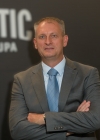
Zoran Stanković se Atlantic Grupi pridružio 2007. godine na mjestu potpredsjednika Grupe za financije, nabavu i IT. Prethodno je tri godine proveo u Plivi na mjestu Izvršnog direktora kontrolinga Grupe zaduženog za koordinaciju i nadzor financijskog poslovanja Plivine mreže kompanija u zemlji i inozemstvu. Prije dolaska u Plivu od 1995. do 2003. je radio u Arthur Andersenu i Ernst&Youngu kao stariji menadžer za reviziju zadužen za velike klijente. Član je međunarodnog udruženja The Association of Chartered Certified Accountants (ACCA). Diplomirao je na Ekonomskom fakultetu Sveučilišta u Zagrebu. Svojom financijskom ekspertizom i širokim poimanjem industrije robe široke potrošnje, dao je značajan doprinos u svim razvojnim fazama i procesima tijekom gotovo dva desetljeća u Atlantic Grupi. Od vođenja inicijalne javne ponude dionica Atlantica 2007., preko prekretne akvizicije Droge Kolinske 2010. te prateće integracije i konsolidacije poslovanja, razvojnih investicijskih projekata koji su uslijedili, do dezinvestiranja non-core i manjih biznisa u procesu fokusiranja na temeljne kategorije poslovanja, Zoran Stanković jedan je od ključnih ljudi koji usmjeravaju rast i razvoj Atlantic Grupe.

Marko Pokrajac diplomirao 2000. godine na Ekonomskom fakultetu u Rijeci, smjer Međunarodna razmjena. Od 2003. godine zaposlen u sustavu Adris Grupe gdje je stjecao iskustvo na stručnim i voditeljskim pozicijama u kontrolingu, financijama i računovodstvu u tvrtkama Maistra d.d., Tvornica duhana Rovinj d.o.o. i Adris Grupa d.d. Od 2016. godine radi na poziciji Financijskog direktora Maistra Hospitality Grupe koja uz financije, pokriva i odgovornost za nabavu i IT.

Anton Barbir, EMBA, član je Uprave i CFO u ENNA grupaciji. Prije toga četiri godine bio je izvršni direktor za financije u JGL d.d. (Jadran Galenski Laboratorij d.d.). Iskusan je financijski stručnjak s iskustvom na pozicijama CFO-a i člana uprave u industrijama farmacije, energetike i prehrane. Visoko motivirani financijski stručnjak s jakom poslovnom oštroumnošću za FMCG i farmaceutsku industriju, Korporativne financije i financijske zajedničke usluge. U Atlantic Grupi vodio je financije na razini Hrvatske i Zapadne Europe, gdje je bio odgovoran za strategiju, budžetiranje, M&A transakcije i razvoj financijskih servisa. U Teva Pharmaceuticals globalno je upravljao AR i Cash Management funkcijama u sklopu Shared Services modela. Karijeru je gradio i kao partner u Grant Thorntonu, vodeći financijsko i porezno savjetovanje te outsourcing usluge. Posjeduje bogato iskustvo u digitalnoj transformaciji, standardizaciji procesa i financijskom partnerstvu s biznisom. Istaknut po vođenju kompleksnih projekata, strateškom pristupu i snažnim upravljačkim vještinama. Ima više od 20 godina naprednog iskustva u korporativnim financijama, financijskom nadzoru, operativnim financijama, M&A, kao i pravljanje SAP projektima. Ima veliko iskustvo u organizaciji i kontroli proračuna, uspješna postignuća u vođenju financija društva i radu u koordinaciji s upravom direktora za povećanje uspjeha tvrtke. Stručnjak za administrativnu koordinaciju, poboljšanje procesa, vodstvo i financijsko savjetovanje, te sposobnost usmjeravanja učinkovite komunikacije s ključnim klijentima i dionicima.
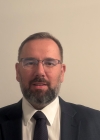
Marko Vuković, mag. oec., diplomirao je na Ekonomskom fakultetu Sveučilišta u Rijeci. Preko petnaest godina iskustva u području financija i kontrolinga. Radno iskustvo započeo u INA d.d. u kontrolingu, nakon 5 godina prelazi u Jadroliniju gdje uspješno implementira i razvija službu kontrolinga, postavljajući temelje za strateško i operativno planiranje uz razvoj analitičkih alata i podršku poslovnim procesima uz kreiranje digitalizirane baze izvještaja. Posljednje 3 godine obnaša funkciju izvršnog direktora korporativnih financija.

Nikolina Dizdar Čehulić, obnaša dužnost predsjednice Uprave i Glavne direktorice komercijalnog poslovanja Hrvatske, Slovenije, Bosne i Hercegovine i Sjeverne Makedonije. Svoju je profesionalnu karijeru započela u tvrtki Arthur Andersen, a nastavila u Ernst & Youngu 2002. PLIVI se pridružila 2004. kao viši financijski analitičar, a ubrzo preuzima rukovodeće funkcije u financijama i kontrolingu. Od 2009. radi na europskoj razini unutar Teva grupe, a 2010. prelazi u General Electric GBS kao regionalna voditeljica za Jugoistočnu Europu. 2013. vraća se u PLIVU na funkciju Glavne financijske direktorice i članica Uprave koja se 2023. dodatno proširuje odgovornosti regionalne financijske direktorice za zemlje jugoistočne Europe unutar Teva grupe. Diplomirala je na Ekonomskom fakultetu u Zagrebu, te je završila Executive MBA međunarodnu poslovnu školu.

Viktor Hajnal, direktor je kontrolinga u Mlinar pekarskoj industriji, jednoj od vodećih pekarskih kompanija u Hrvatskoj, gdje vodi financijsku kontroling funkciju Grupe za Hrvatsku, Sloveniju i Srbiju. S deset godina iskustva stečenog u eksternoj reviziji u Ernst & Youngu te na sve odgovornijim pozicijama u kontrolingu, posjeduje duboku stručnost u financijskom modeliranju, upravljačkom izvještavanju, budžetiranju i analizi poslovnih performansi.
Sudjelovao je na brojnim projekatima, uključujući izgradnju BI infrastrukture Mlinara te implementaciju platforme za budžetiranje koja se koristi na razini cijele Grupe. Magistrirao je poslovnu ekonomiju na Ekonomskom fakultetu u Zagrebu te kontinuirano proširuje svoje tehničke kompetencije učenjem Pythona i SQL-a. Posebnu strast posvećuje pretvaranju složenih financijskih podataka u jasne, primjenjive informacije koji pomažu kompaniji da rastu i ostvaruju bolje rezultate.

Manuela Ilić više od 20 godina radi u Hrvatskoj pošti, gdje je svoju karijeru započela u kontrolingu. Na toj je poziciji stekla čvrstu podlogu u financijskoj analizi i upravljanju poslovnim procesima. Godine 2021. stekla je certifikat ovlaštenog internog revizora, nakon čega je radila u Internoj reviziji. Već 2022. godine preuzela je funkciju direktorice Službe financijskih usluga. U rujnu 2025. godine, uslijed reorganizacije, Služba financijskih usluga mijenja naziv u Podrška prodaji. U toj organizacijskoj jedinici danas radi kao menadžerica poslovne funkcije.

Dr. sc. Ivan Šabić zamjenik je ravnatelja Hrvatske akademske i istraživačke mreže – CARNET, gdje sudjeluje u strateškom razvoju digitalne infrastrukture te jačanju kibernetičke sigurnosti obrazovnog i znanstvenog sustava Republike Hrvatske. Doktorirao je 2023. godine na Sveučilištu Sjever iz područja informacijskih i komunikacijskih znanosti, a prethodno je stekao MBA na Zagrebačkoj školi ekonomije i managementa te završio poslijediplomski specijalistički studij kontrolinga na Ekonomskom fakultetu Sveučilišta u Rijeci.
U svom profesionalnom radu povezuje upravljanje, financije i tehnologiju, s posebnim naglaskom na digitalnu transformaciju, umjetnu inteligenciju i kibernetičku sigurnost. Dodatno se usavršavao na MIT Sloan School of Management (design thinking i blockchain) te na SANS Institute u području kibernetičke sigurnosti.
Autor je i koautor više znanstvenih i stručnih radova te predavač na Sveučilištu Sjever, gdje studentima prenosi znanja iz područja poslovne inteligencije, digitalnih inovacija i informacijske sigurnosti. Nositelj je međunarodnih certifikata ISO 9001 i ISO 27001 te aktivno sudjeluje na domaćim i međunarodnim stručnim i znanstvenim skupovima.
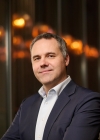
Igor Dobrić ima dvadesetogodišnje iskustvo rada u financijskom sektoru u područjima modeliranja rizika, izračunima regulatornog kapitala, razvoja BI sustava te financijama i kontrolingu. Diplomirao je smjer računarstvo na Fakultetu elektrotehnike i računarstva, Sveučilišta u Zagrebu, a magistrirao je Analitičke financije i financijski matematiku na Lehigh University u SADu. Tamo je radio i na razvoju aplikacije za procjenu parametara korištenih u modelima za vrednovanje kolateraliziranih kredita (mortgage-backed securities). Nakon povratka u Hrvatsku, zapošljava se u Croatia osiguranju u kojoj je prošao nekoliko sektora, a ustrojio je i prvi data science tim u društvu. Zadnjih 6 godina je na poziciji direktora Sektora za kontroling i predsjednik je nadzornog odbora Croatia dobrovoljnog mirovinskog društva.

Ida Zelenka Puđa, dipl. ing., diplomirala je na Prirodoslovno-matematičkom fakultetu - Matematički odsjek u Zagrebu i trenutno obnaša funkciju direktorice Sektora za upravljanje učinkom poslovanja u Hrvatskom Telekomu. Posjeduje bogato iskustvo u području kontrolinga i upravljanja učincima u telekomunikacijskom sektoru.
Tijekom svoje karijere, šest godina je provela u središnjici Deutsche Telekoma, gdje je bila odgovorna za upravljanje učinkom više podružnica Deutsche Telekoma. Aktivno je sudjelovala u vođenju brojnih globalnih projekata usmjerenih na upravljanje temeljnim vrijednostima (value-based steering), izradu statusnih izvještaja za top management, te implementaciju poslovno-informacijskih alata (BI alata) na razini grupe.
Njena najveća strast oduvijek je bila primjena matematičkih modela u stvarnom sektoru. Jedan od opsežnih radova na tu temu bio je "Utjecaj porezne politike na potrošnju duhanskih proizvoda u Hrvatskoj". S velikim interesom pristupa podacima i analizi podataka, te nalazi najveće zadovoljstvo u transformaciji sektora kontrolinga prema kontrolingu spremnom za buduće promjene u području analitike podataka i uvođenja umjetne inteligencije.

Slaven Dobrić je magistar pravnih znanosti, diplomirani pravnik, certificirani medijator i doktorant Sveučilišta Sjever, s impresivnim profesionalnim putem u industriji osiguranja. Nakon početka u odvjetništvu i vlastitog poduzetničkog iskustva, karijeru je izgradio od 2000. godine u Allianzu Hrvatska, kroz niz strateških uloga i dugogodišnje članstvo u Upravi, gdje je vodio operativne procese, razvoj proizvoda i digitalnu transformaciju kompanije. U radu s kompleksnim sustavima i velikim timovima izgradio je prepoznatljivu stručnost u području šteta, ICT-a i inovacija. Danas u UNIQA osiguranju djeluje kao savjetnik Uprave, predvodeći ključne procese poslovne transformacije s fokusom na optimizaciju, podizanje operativne učinkovitosti i unaprjeđenje korisničkog iskustva.

Dr. sc. Boris Balent, mag. psych., diplomirao je psihologiju na Filozofskom fakultetu Sveučilišta u Zagrebu, a doktorirao na Kineziološkom fakultetu na temu Misaonog postava (mindset). Više od 15 godina radi kao konzultant na poslovima procjene i selekcije zaposlenika, edukacijama, coachingu i razvoju HR sustava. Osmislio je i održao niz treninga iz područja mekih vještina: komunikacijske vještine, upravljanje konfliktima, upravljanje stresom, leadership, motivacija i sl. Vodio je mnoge projekte u domeni ljudskih potencijala i sportske psihologije. Kao vanjski suradnik na Fakultetu elektrotehnike i računarstva, Kineziološkom fakultetu, Hrvatskim studijima, Univerzi na Primorskem, predavao je Komunikacijske vještine, Psihološke tehnike u praksi i Sportsku psihologiju. Vanjski je suradnik University of Coventry iz Engleske. Stalno se usavršava, a jedno od njih je i doškolovanje iz kognitivno-bihevioralne terapije te edukacija za trenere (Train the trainer, Systemic Gestalt Coaching i sl.). Autor je dvije knjige i mnogih stručnih i znanstvenih članaka. Također radi i kao sportski psiholog u području psihološke pripreme profesionalnih i vrhunskih sportaša i timova. Psiholog je u GNK Dinamo Zagreb gdje je postavljao sustav psihološke pripreme, a osobno je zadužen za psihološku pripremu prve momčadi kluba.

Boris Borčić, direktor Kontrolinga INA Grupe, profesionalnu karijeru je započeo 2010. godine u INA Grupi u kontrolingu, nakon čega je obnašao više različitih funkcija unutar Financija i IT-a. Između ostalog bio je financijski direktor kompanija Holdina, Energopetrol i STSI, članovima Ina Grupe. Također, obnašao je funkciju direktora Kontrolinga upravljačkih i servisnih funkcija te HR kontrolinga MOL Grupe u Budimpešti. Akademsko obrazovanje stekao je na Ekonomskom fakultetu u Rijeci gdje je završio i poslijediplomski studij Ekonomije energetskog sektora. Dodatnu edukaciju stekao je u sklopu MBA programa poslovne škole Cotrugli.